
Custom Flat Pouches
Compact packaging with personality. Request flat printed pouches for small goods or portion packs. Share contents, fill size and sealing requirements to define the structure and print.
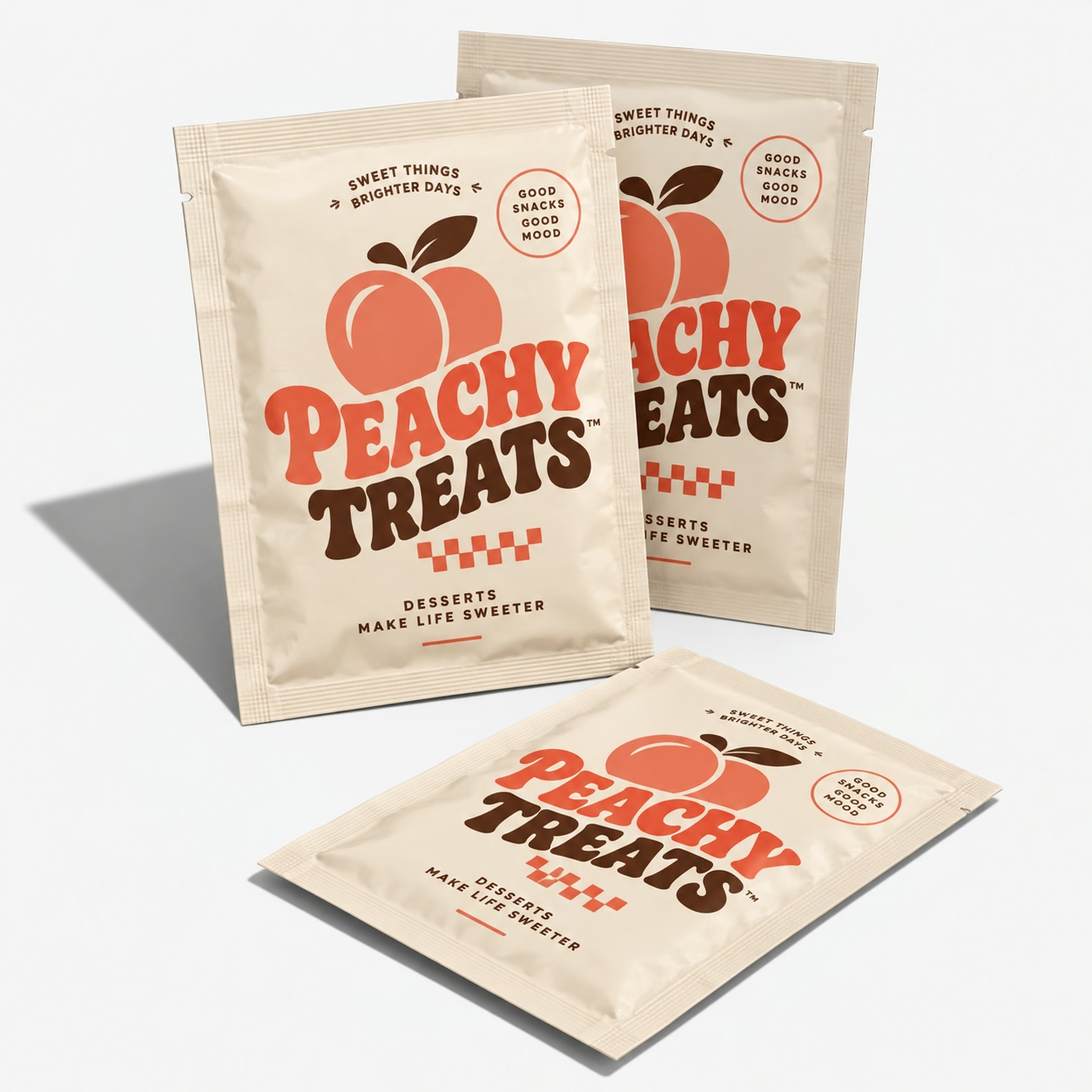 View larger
Need a custom size or a different finish? Add it to your quote request.
A closer look.
Request flat printed pouches for small goods or portion packs. Share contents, fill size and sealing requirements to define the structure and print.
Flat pouches versus stand-up and flat-bottom pouches
A flat pouch is a lay-flat format: it does not describe a pouch with a box-shaped base. A stand-up pouch uses an expanding bottom gusset to create a standing footprint. A flat-bottom pouch is a different construction with a formed base and side panels. Do not use these names interchangeably in your specification; a filled sample is the clearest way to check the intended shape.
| Format | Decision to check | Next step |
|---|---|---|
| Flat pouch | A compact pack without a standing base | Measure the usable space after seams and sealing |
| Stand-up pouch | A pack that should stand when filled | Specify the bottom gusset and test the actual contents |
| Flat-bottom pouch | A box-like base rather than a lay-flat pack | Request the construction explicitly; availability must be confirmed |
What to include in your flat pouch request
Describe the contents and intended use, target fill, width and height with units, required closure and which sides need printing. State whether measurements are finished outside dimensions or usable packing space. The material, barrier, seal arrangement and any food-contact requirements need review for the actual application.
For example, two flat pouches with the same outside dimensions can have different usable openings if their side seals or closure areas differ. Do not estimate fill capacity from outside width and height alone. This is a planning example, not a capacity specification.
Compare custom stand-up pouches, explore all custom pouch formats or use the pouch specification guide before requesting a quote.
Specify a flat pouch by usable fill and sealing space
Custom flat pouches are flexible packs without the standing base of a stand-up pouch. Start with the actual contents, intended portion, loading method and closing requirement. Fill weight alone does not determine the pouch dimensions: product density, shape and the usable space inside the seals affect fit.
| Decision | What to measure or request |
|---|---|
| Pouch dimensions | State width and height with units, then ask how seals and any closure reduce usable space |
| Sample fill | Use the actual product, record the portion, and leave the sealing/closure space required by the proposed reference |
| Closure | Distinguish an initial heat seal, a zipper request and tear-opening features; each has a different job |
| Material | Describe contents, contact, handling and barrier requirements; confirm the final construction |
| Design variants | List the artwork and quantity for each design rather than relying only on a combined total |
For example, a small sample pack and a heavier dry-goods portion should be evaluated as separate fills even if their printed design is shared. Do not infer ounces-to-pouch dimensions from a mockup. Request the final usable drawing and test the proposed sample before approving artwork.
Flat pouch or stand-up pouch?
A flat format may suit a sample, a single portion or a pack displayed within another arrangement. A stand-up pouch adds a base construction that should be evaluated with the actual filled product. Decide from display position, filling, opening and the complete customer use, rather than choosing only by appearance.
Compare custom stand-up pouches and the pouch collection. For coffee, distinguish the fill, closure and any valve request in the pouch specification guide. Use the quote checklist for quantities, artwork, ZIP and required date. Pricing, minimums, material suitability and delivery are confirmed for the reviewed project.
Prepare your specification
Usable width and height; portion volume; seal margins; opening and filling method. These are details to provide for review, not a list of confirmed options.
Compare before you choose
For compact flexible packs for samples and portions, start with the intended use and the complete packed product. A similar appearance or size label does not confirm the same construction or performance.
Explore by industry
At a glance
- Material
- Flexible film and barrier structure by specification.
- Size & format
- Custom size. Include exact dimensions in your request.
- Branding
- Share your artwork and preferred print colors. We'll confirm the suitable print method and finish.
- Quantity
- Request the quantity you need. Minimums depend on the final specification.
- Artwork
- Attach your file with your request, send it later, or ask for design help.
From your idea
to your packaging.
A clear specification comes first. Review the cost, artwork requirements and delivery plan before placing your order.
Talk through your projectTell us what you need
Choose your format, print and quantity. On the next page, add your artwork, delivery ZIP code and any deadline.
Review your quote
Your final specifications, minimum quantity, production timing and shipping charges are confirmed with your quote.
Confirm the final details
Review the artwork and order terms before approval. Custom production depends on the approved specification; discuss changes or deadlines before committing.
Custom Flat Pouches FAQ
Answers for planning your request.
How does a flat pouch differ from a stand-up pouch?
A flat pouch does not use the same bottom-gusset base for upright display. Choose according to contents, portion and presentation.
Why are seal margins important for small flat pouches?
They take up part of the flat outline, leaving less usable internal space. Request the usable area for the confirmed construction.
Can a flat pouch hold a rigid sample?
It may require additional evaluation of corners, thickness and puncture risk. Describe the sample rather than assuming any flat item will fit.
Should a tear opening be specified?
Yes. State how the customer should open the pack and confirm the construction and artwork clearances around that feature.
Can flat pouches be arranged for hanging display?
Describe the display method. A hanging feature and its placement must be confirmed as part of the pouch specification.
How do small portions affect artwork planning?
Prioritize readable essential information and keep it clear of seals and opening areas. Test the design at actual print size.
Can I use a flat pouch as an insert in another package?
Provide the outer package's available space and packing arrangement. Check the filled pouch, not just its empty flat dimensions.
When should I evaluate a stand-up format instead?
Compare stand-up pouches if upright retail presentation and a defined filled base are important.
Why is fill weight not a complete pouch size?
Weight measures mass, while packaging must accommodate volume. Different contents can occupy different space at the same weight.
What dimensions should a pouch request include?
State width, height and any gusset, plus the contents and intended fill. Indicate how dimensions were measured rather than relying on an ounce label alone. Use the format planning guide to prepare the details.
Is a zipper the same as a production seal?
No. A zipper is a resealable consumer closure. The filling process may require a separate seal whose method must match the pouch structure and equipment.
Can the appearance establish a pouch's barrier properties?
No. Ask for the proposed material structure and performance relevant to the product. A metallic appearance alone does not establish an oxygen or moisture barrier.
Can a pouch alone establish shelf life?
No. The contents, processing, filling, seals and storage conditions all matter. Validate the complete combination before making a shelf-life claim.
Should filling equipment be considered before artwork?
Yes. Seal areas, clearances and filling methods affect the usable layout. Confirm the construction and template before preparing the production file.
How should I evaluate a pouch sample?
Fill and close it using the intended process, then check capacity, handling, presentation and seal performance under the relevant conditions.
Where can I learn how to specify flexible packaging?
Read the pouch specification guide for a measurement checklist and distinctions between fill weight, closure and material structure.
What should I include when requesting custom flat pouches?
For compact flexible packs for samples and portions, include usable width and height; portion volume; seal margins; opening and filling method. Add quantities per design and delivery ZIP. Use the quote checklist to organize your request.
Are the listed options confirmed production specifications for custom flat pouches?
The configurator is a starting point for compact flexible packs for samples and portions. The final quote must identify the chosen construction, dimensions, print and any accessories before approval.
How do quantity and artwork affect my custom flat pouches quote?
List quantities for each design and specify usable width and height. The proposed construction and print setup determine the available quantities and price; the form does not establish a minimum.
How do I move from a custom flat pouches request to approved artwork?
First confirm the specification for compact flexible packs for samples and portions; then prepare the correct layout using the artwork guide. Review pricing, proof arrangements and delivery timing before committing.
Complete your packaging
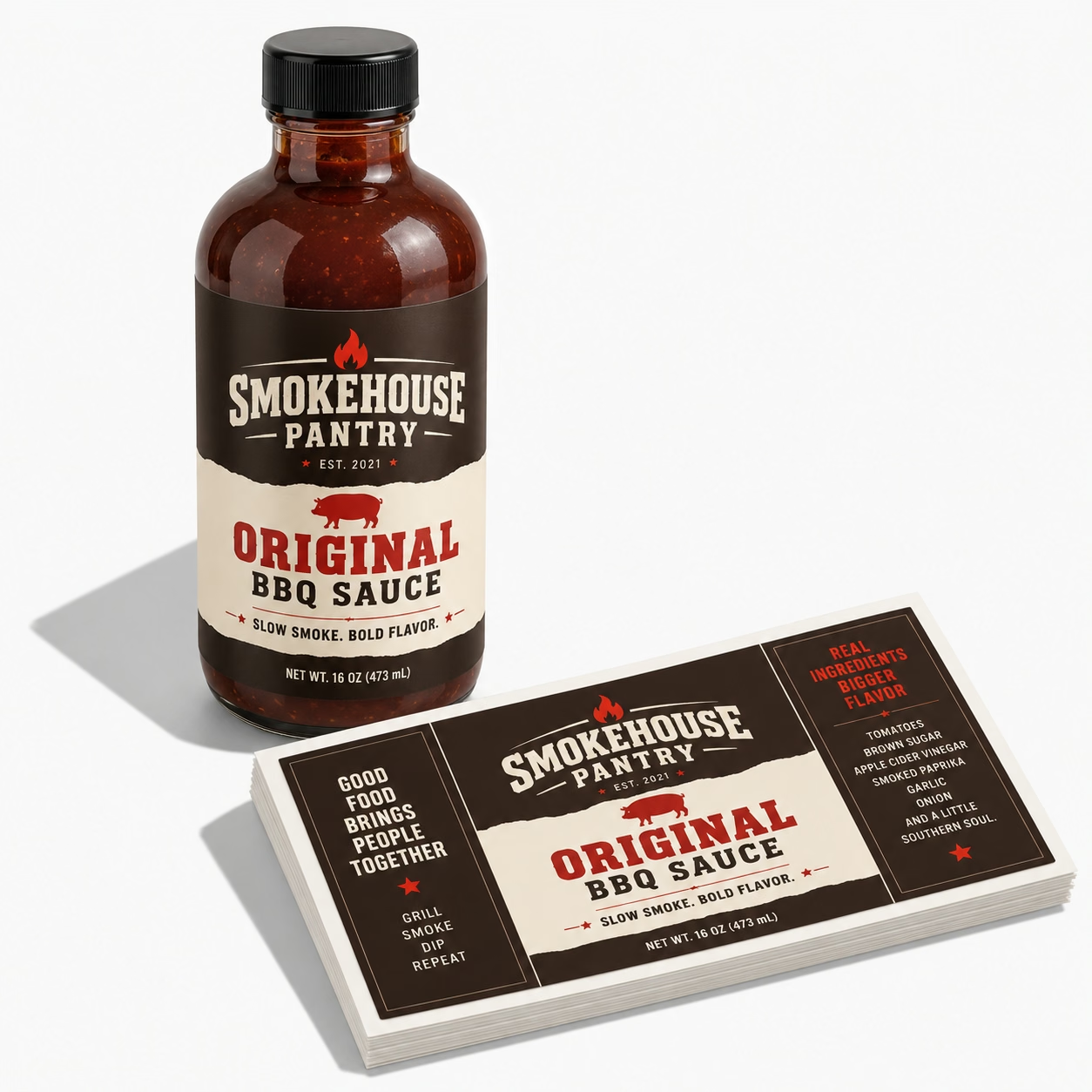
Custom Labels
Your product, clearly yours
View options & request quote →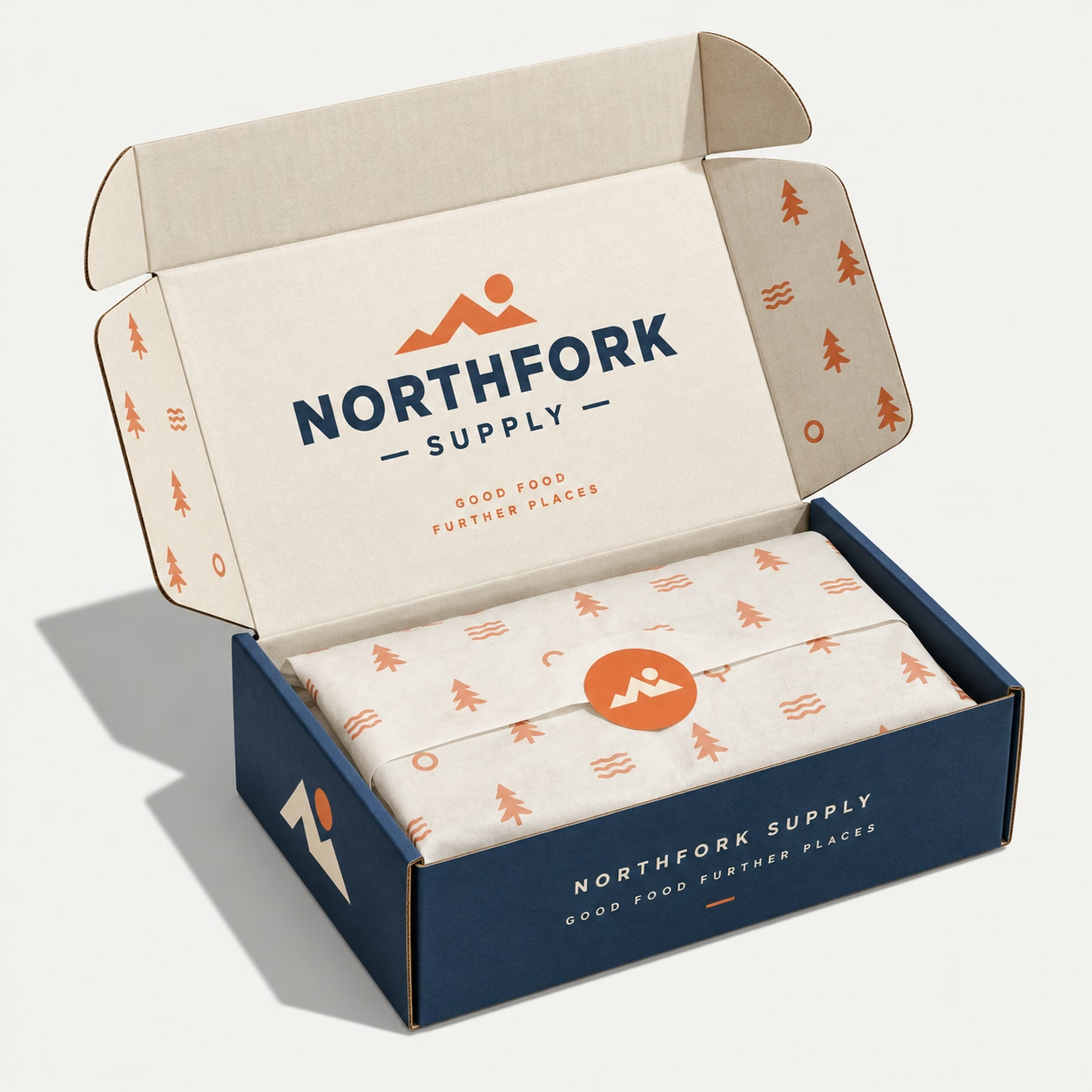
Custom Mailer Boxes
An unboxing worth remembering
View options & request quote →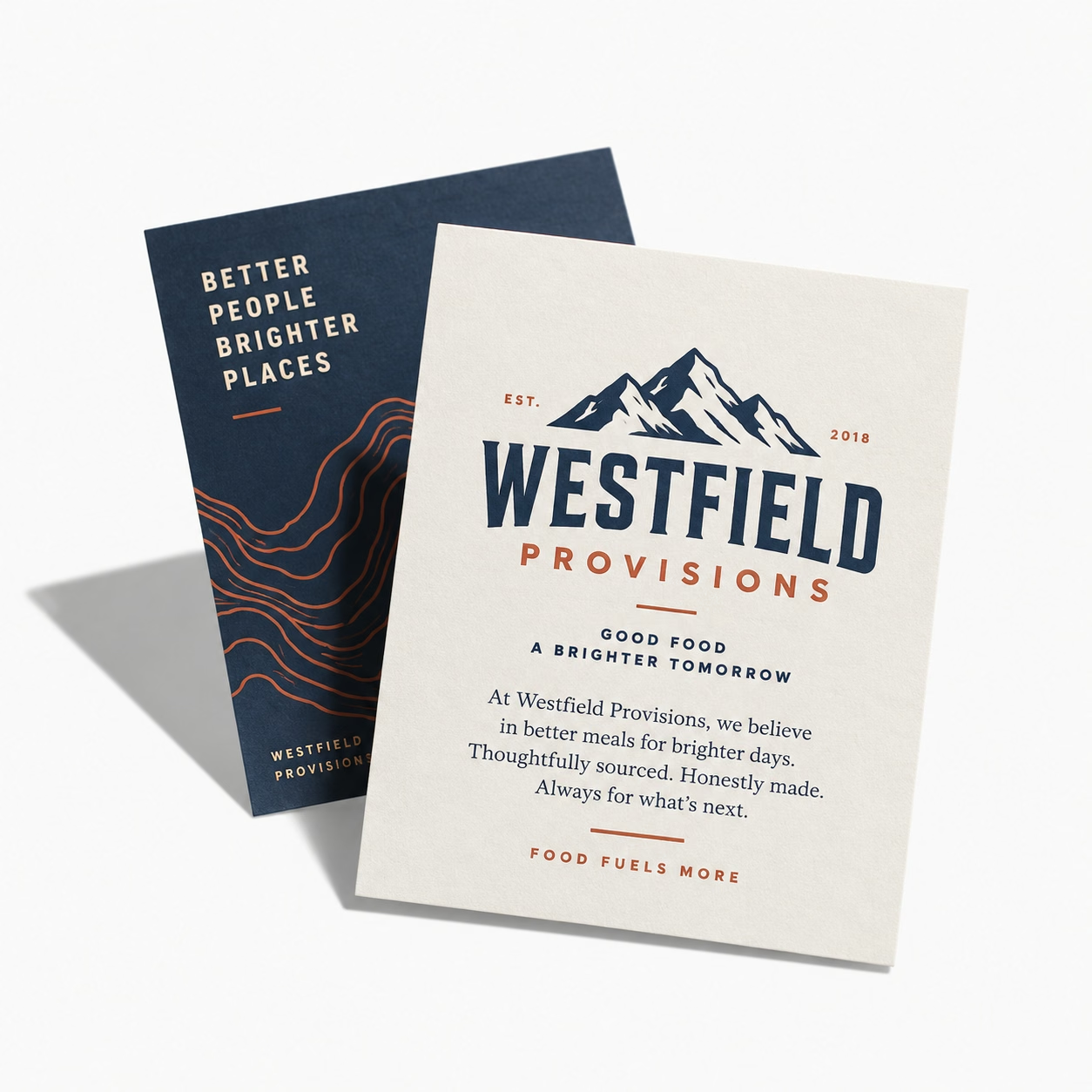
Custom Insert Cards
Keep the conversation going
View options & request quote →
Custom Stickers
A little brand, everywhere
View options & request quote →