Custom Labels
Your product, clearly yours. Request labels for jars, bottles, cartons and retail packaging. Tell us about the application surface, moisture exposure and whether labels will be applied by hand or machine.
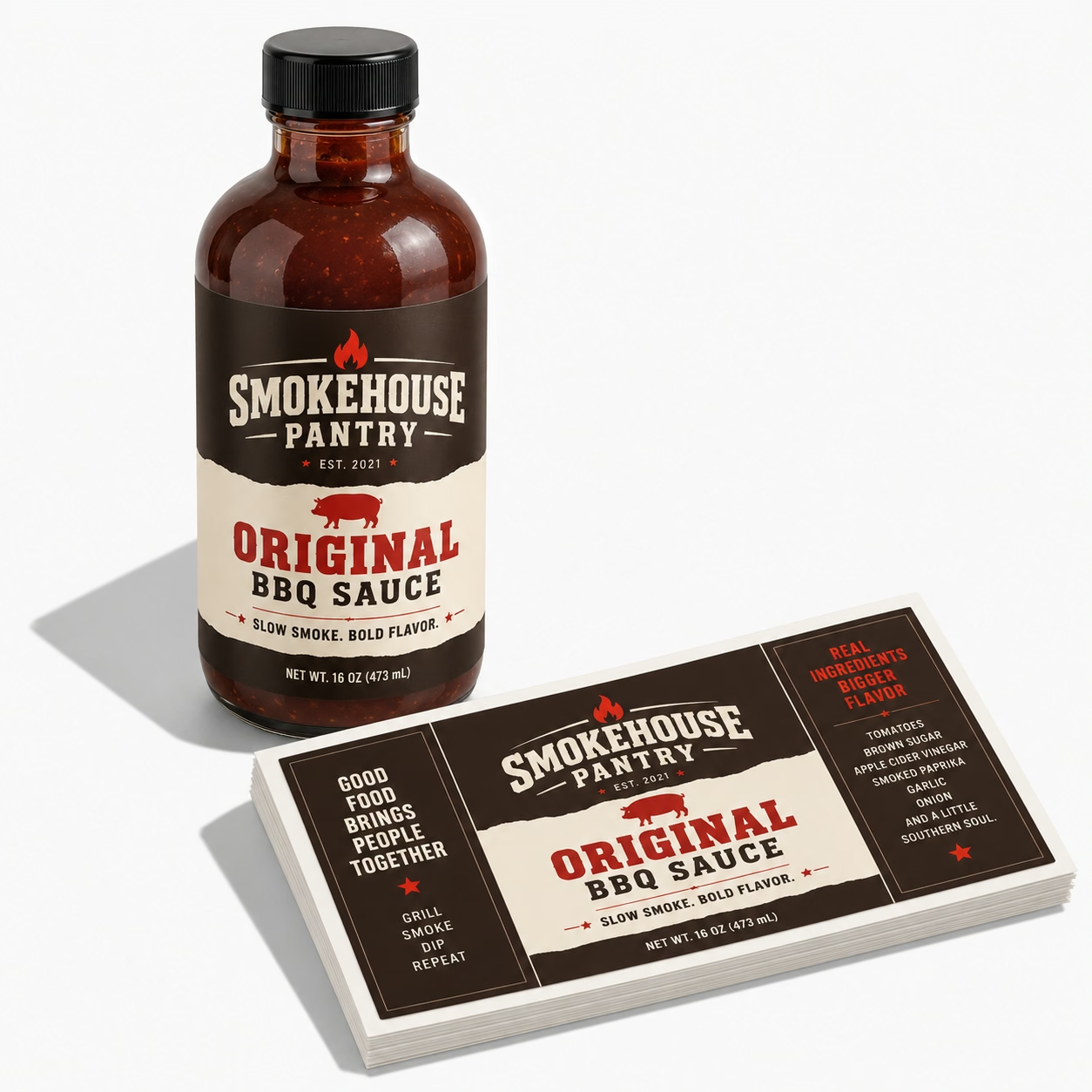 View larger
Need a custom size or a different finish? Add it to your quote request.
A closer look.
Request labels for jars, bottles, cartons and retail packaging. Tell us about the application surface, moisture exposure and whether labels will be applied by hand or machine.
Prepare your specification
Container material and curvature; label dimensions; adhesive and storage conditions. These are details to provide for review, not a list of confirmed options.
Compare before you choose
For product identification on a defined container, start with the intended use and the complete packed product. A similar appearance or size label does not confirm the same construction or performance.
Explore by industry
At a glance
- Material
- Label stock, adhesive and delivery format by specification.
- Size & format
- Roll labels · Sheet labels · Custom size. Include exact dimensions in your request.
- Branding
- Share your artwork and preferred print colors. We'll confirm the suitable print method and finish.
- Quantity
- Request the quantity you need. Minimums depend on the final specification.
- Artwork
- Attach your file with your request, send it later, or ask for design help.
From your idea
to your packaging.
A clear specification comes first. Review the cost, artwork requirements and delivery plan before placing your order.
Talk through your projectTell us what you need
Choose your format, print and quantity. On the next page, add your artwork, delivery ZIP code and any deadline.
Review your quote
Your final specifications, minimum quantity, production timing and shipping charges are confirmed with your quote.
Confirm the final details
Review the artwork and order terms before approval. Custom production depends on the approved specification; discuss changes or deadlines before committing.
Custom Labels FAQ
Answers for planning your request.
How do I measure a label for a cylindrical container?
Measure the intended application area and any required gap or overlap. Check taper and curvature rather than assuming a perfectly straight cylinder. Use the packaging cost comparison guide to prepare the details.
Why does a tapered jar need a different label layout?
A straight rectangular design may not sit as expected on a taper. Use a layout evaluated for the actual container shape.
Should the adhesive be chosen before ordering a full run?
Yes. Evaluate adhesion on the intended surface and under the expected application and storage conditions.
Can a label cover a textured or flexible surface?
It requires evaluation of contact, movement and adhesive suitability. Supply the actual surface details and test a sample.
What should I tell you about machine-applied labels?
Provide the applicator's requirements, including format and orientation constraints, for confirmation with the proposed supply.
How do I plan different product variants on matching labels?
Identify shared dimensions and materials, then provide artwork and quantities per variant. Keep variable information consistent with the product.
Can a transparent label create a no-label appearance?
It may be a design objective, but the substrate, adhesive, container and print treatment affect the result. Review a sample on the actual container.
Where should food-specific labeling requirements be discussed?
Use food labels to specify food-container storage and application needs; the business must verify the information its product requires.
What surface information helps select a label?
Describe the container material, curvature, texture and cleanliness. Include application temperature and the conditions after labeling.
Are application temperature and storage temperature the same?
No. A label applied at room temperature and then refrigerated has different requirements from one applied to an already cold or damp container.
Does a glossy finish make a label waterproof?
No. Appearance alone does not establish the durability of the face material, ink or adhesive. Describe the actual exposure that must be evaluated.
Should a barcode or QR code be tested on the final label?
Yes. Test the printed result at its intended size on the actual container. Contrast, curvature, print quality and available clear space affect usability.
Can I place essential text next to the cut line?
Keep important content inside the safe area on the approved layout. Cutting tolerances mean an edge is not an exact positioning reference.
What should a label sample test include?
Apply it to the intended surface and evaluate handling, storage, moisture exposure and removal if relevant. A sample on a different container can behave differently.
Why does roll or sheet supply matter?
It affects storage and application. If using a dispenser or applicator, state its requirements before the final format is quoted.
Where can I compare other branding additions?
Explore labels, stickers and packaging inserts to choose between an adhesive label and a separate printed component.
What should I include when requesting custom labels?
For product identification on a defined container, include container material and curvature; label dimensions; adhesive and storage conditions. Add quantities per design and delivery ZIP. Use the quote checklist to organize your request.
Are the listed options confirmed production specifications for custom labels?
The configurator is a starting point for product identification on a defined container. The final quote must identify the chosen construction, dimensions, print and any accessories before approval.
How do quantity and artwork affect my custom labels quote?
List quantities for each design and specify container material and curvature. The proposed construction and print setup determine the available quantities and price; the form does not establish a minimum.
How do I move from a custom labels request to approved artwork?
First confirm the specification for product identification on a defined container; then prepare the correct layout using the artwork guide. Review pricing, proof arrangements and delivery timing before committing.
Complete your packaging
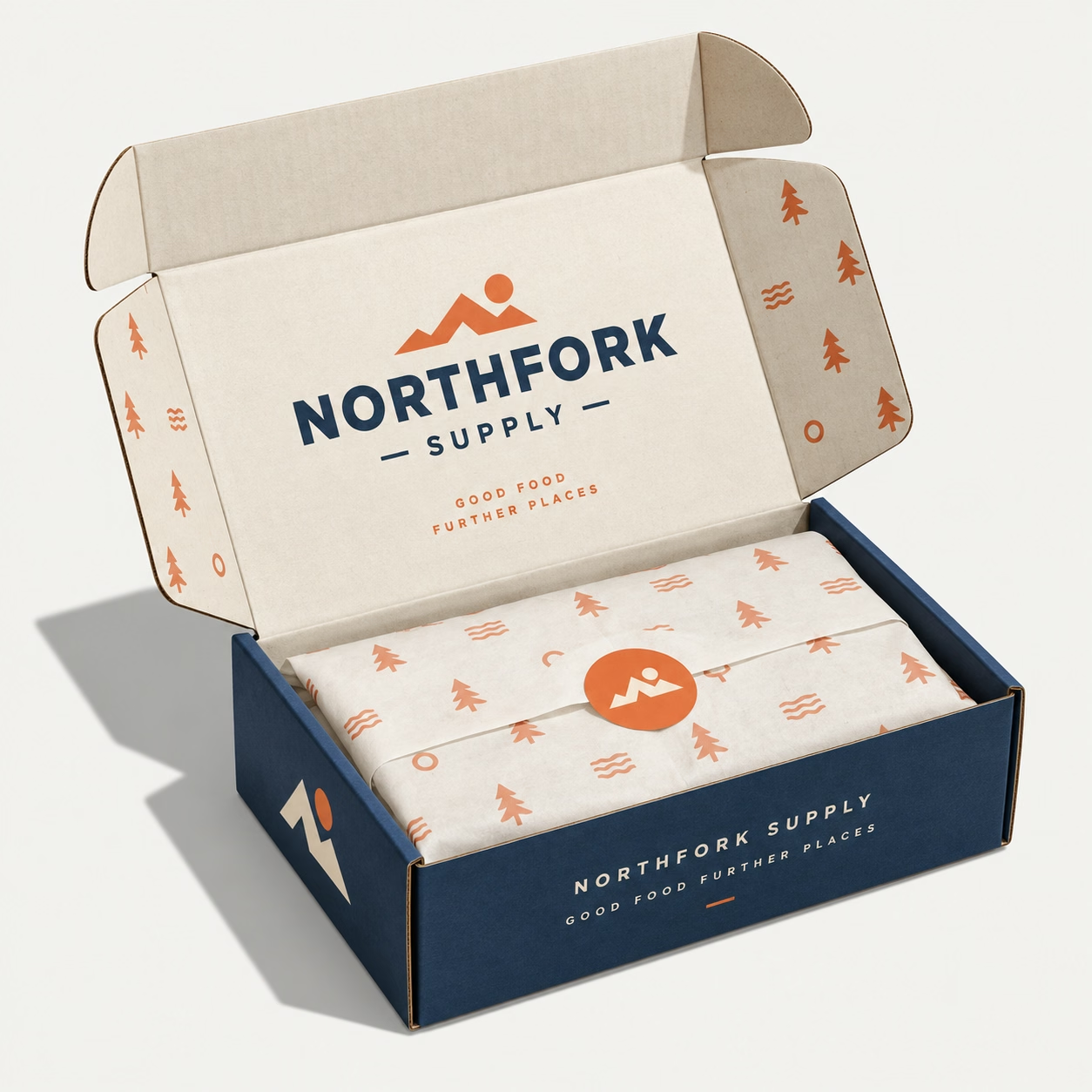
Custom Mailer Boxes
An unboxing worth remembering
View options & request quote →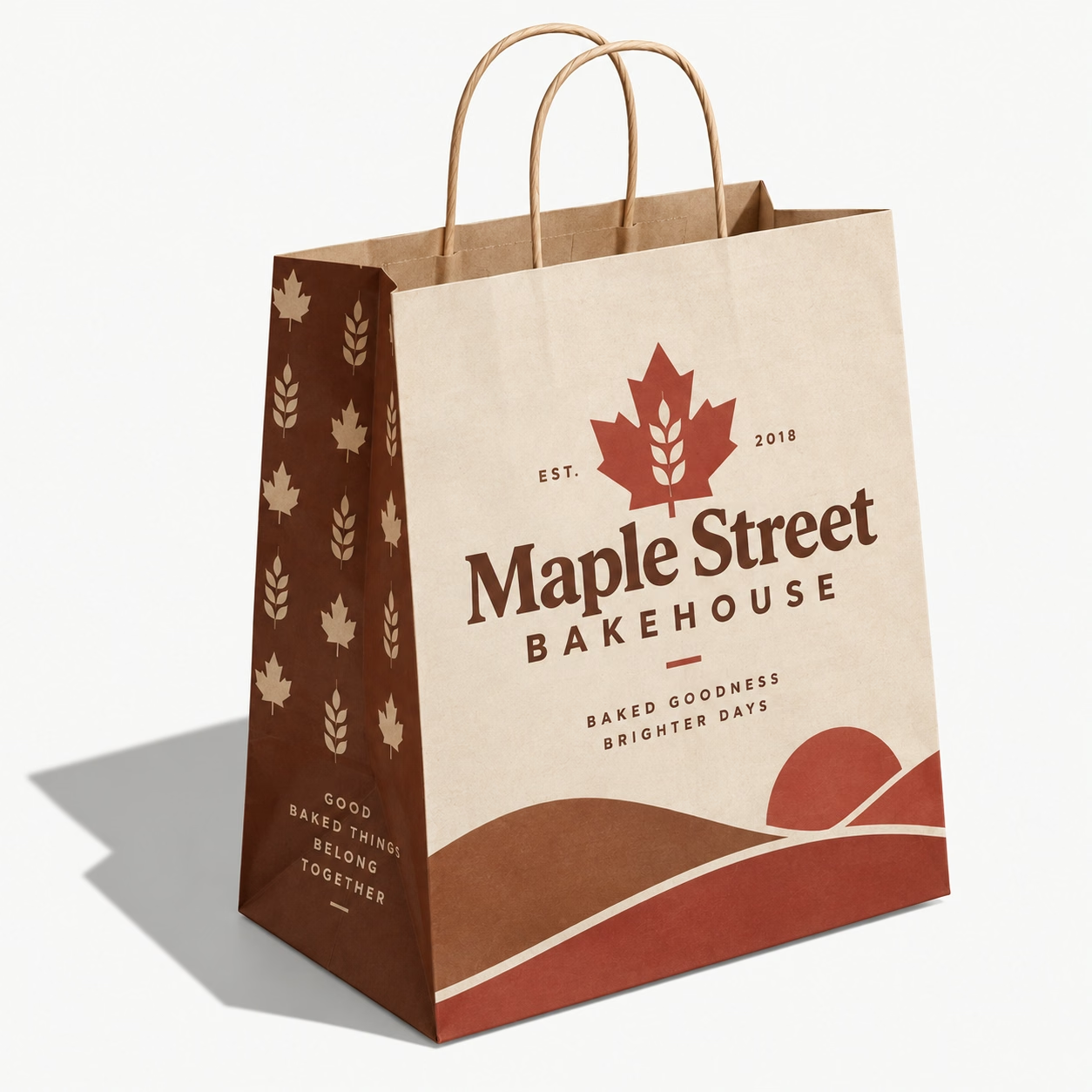
Custom Paper Bags
Carry your brand beyond the counter
View options & request quote →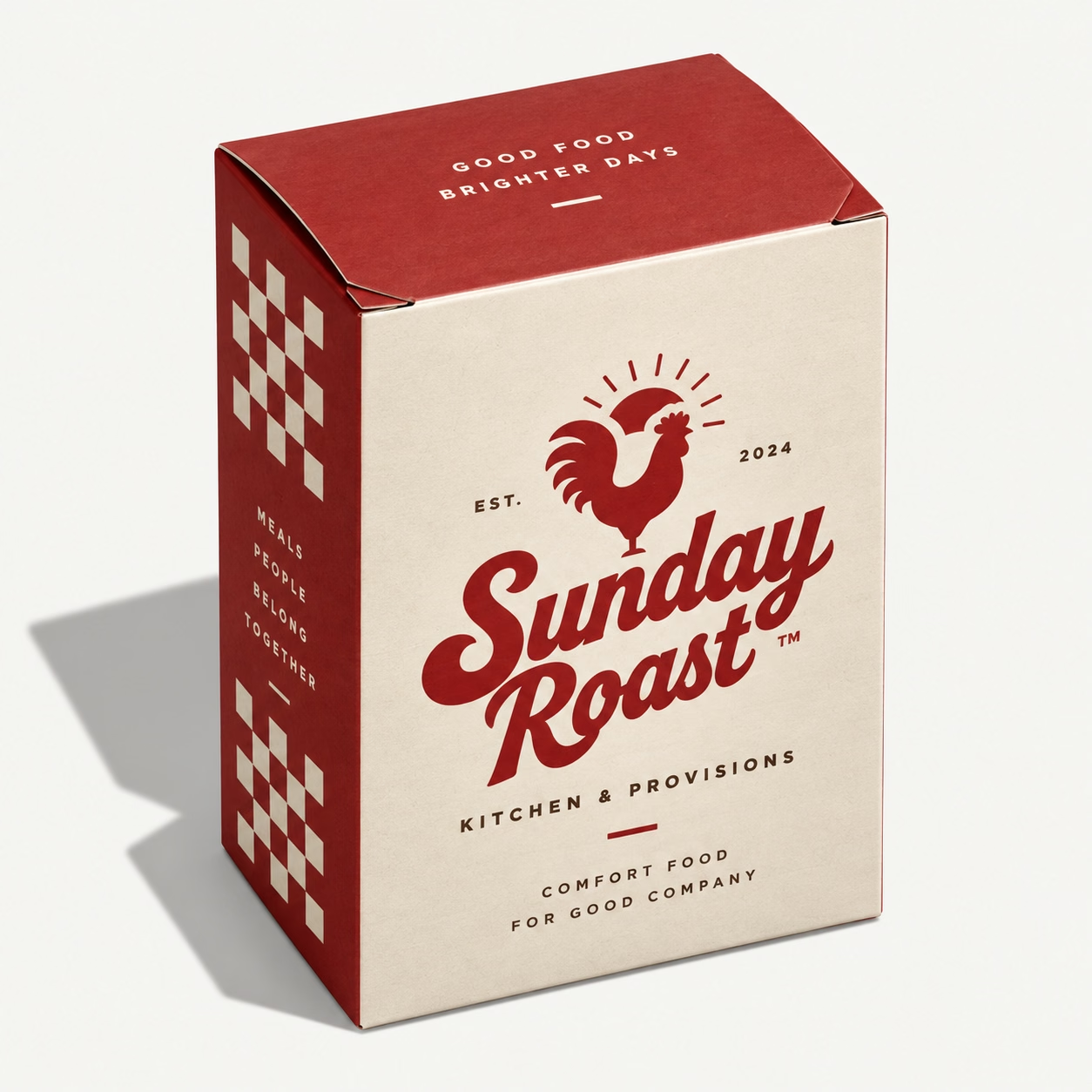
Custom Folding Cartons
Make your product shelf-ready
View options & request quote →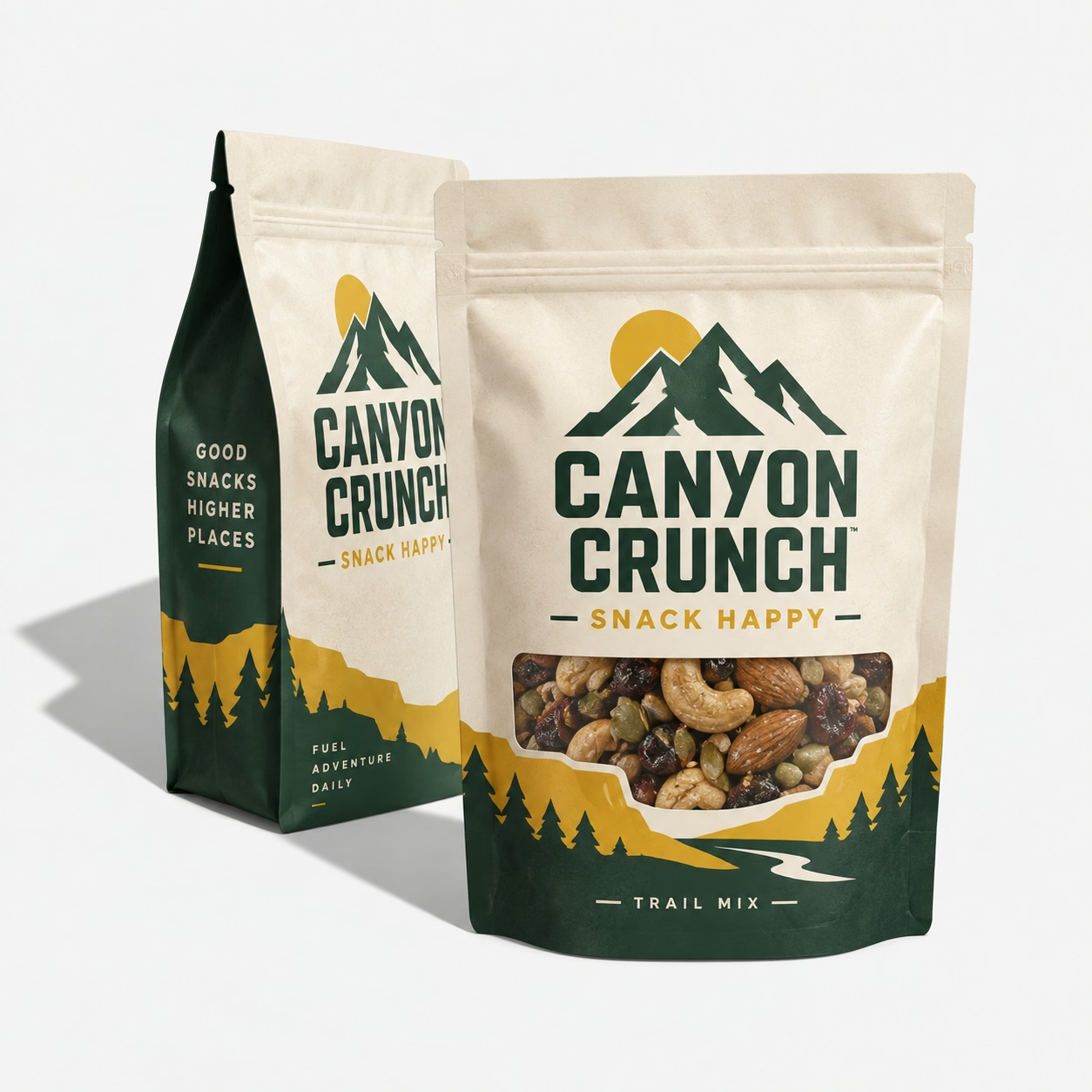
Custom Stand-Up Pouches
Give your product shelf presence
View options & request quote →