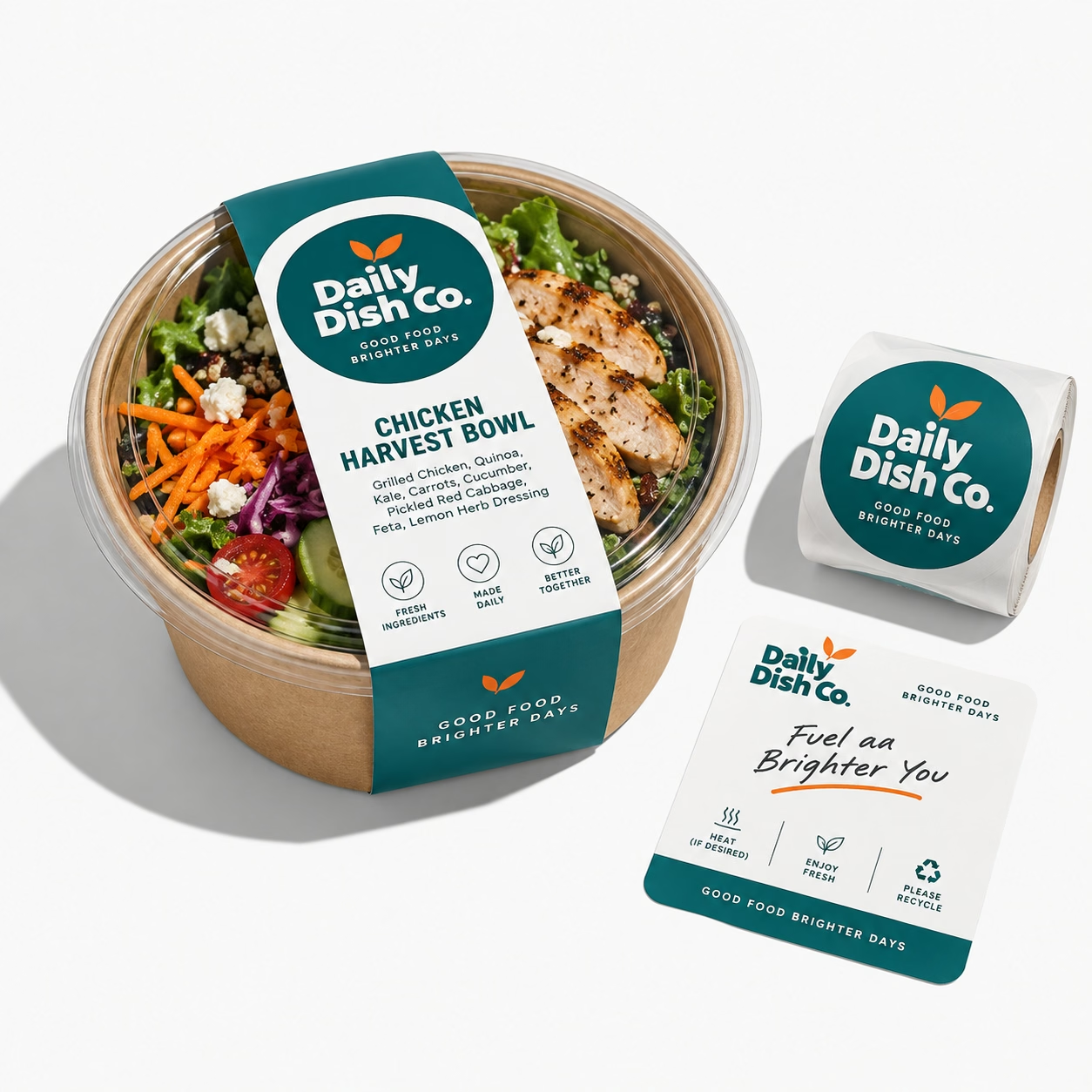
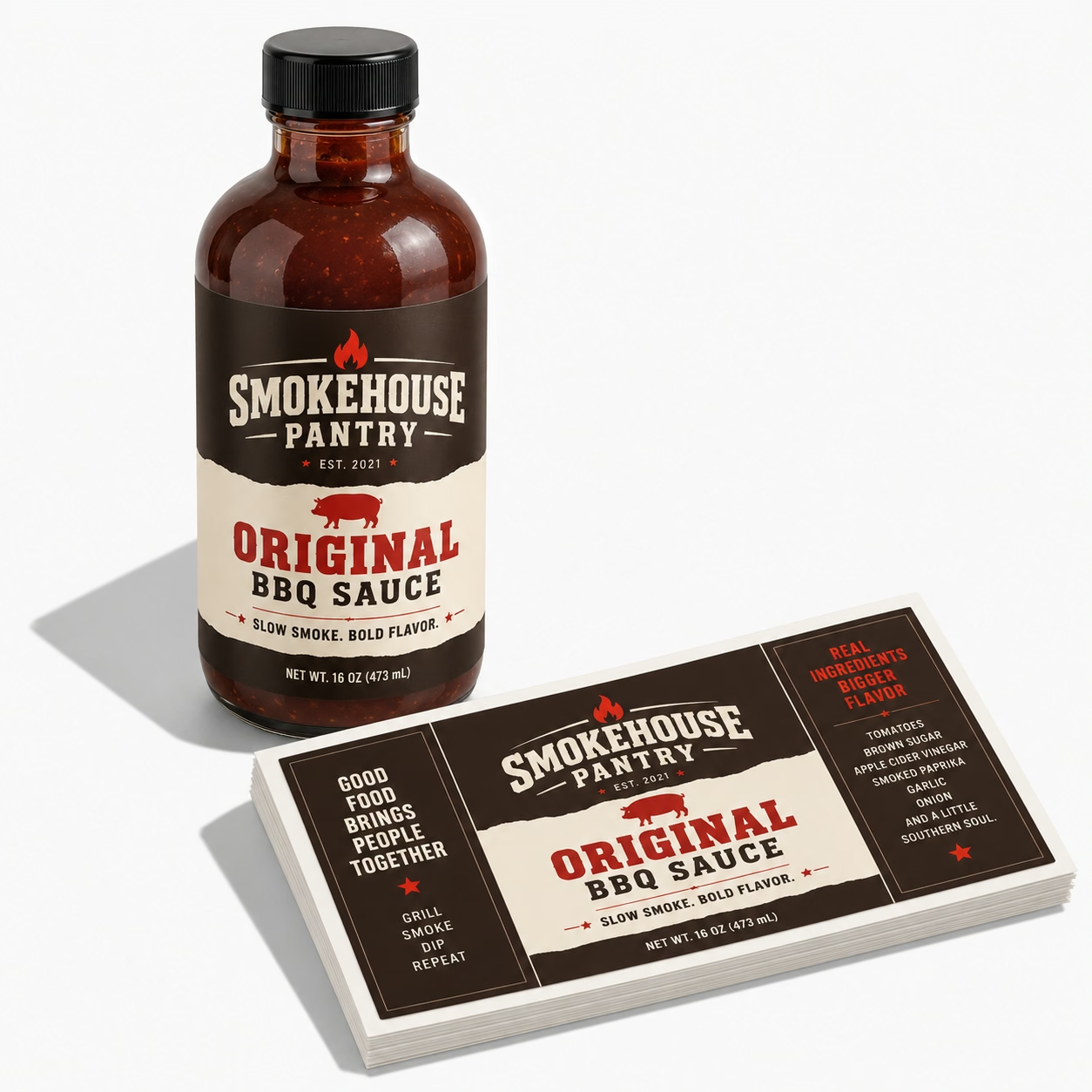
Describe the actual surface before choosing a label. Material, curvature, texture and the application sequence form one reference-specific specification.
Identify the substrate rather than naming only the product
Record the object supplier code and material where known. Distinguish glass, coated paperboard and the actual plastic reference. Describe finish, ribs, curvature and the intended placement area. If material information is unknown, mark it as a supplier question.
| Brief field | Record |
|---|---|
| Substrate | Reference, material and finish |
| Geometry | Flat/curved area, taper and usable dimensions |
| Surface condition | Residue, moisture and preparation |
| Application | When, where and how the label is fitted |
| Use | Intended storage and handling exposure |
| Removal | Permanent or defined removal requirement |
Distinguish application conditions from later exposure
Applying to a dry surface before chilling is different from applying to a damp cold surface. Record both the application and the subsequent use. Ask for construction-specific instructions and documentation; a face material description alone does not identify the adhesive match.
Avery notes surface condition and compatibility among causes of adhesion problems in its adhesion troubleshooting guide. This supports the checklist questions, not a performance rating for our labels.
Approve size and placement on the actual object
Use a trial placement to check readability and contact around the intended surface. Avoid spanning a flange, curve change or seam without review. Record any overlap requirement with the supplier; do not apply an arbitrary allowance to every label shape.
Request a complete label construction and sample
- Exact face material, adhesive and print proposal.
- Dimensions, placement and artwork version.
- Application instructions for the intended workflow.
- Sample code and documented observations.
- Quantity per design and delivered quote scope.
Use the chilled-container plan or the iced-cup workflow when relevant.
BrandYourPack planning worksheet. Sample checks described here are steps for your project, not published test results. Confirm material, dimensions, print, quantities and intended use for the proposed reference before approval.
Questions about this decision
Is plastic enough information for a label quote?
It is a starting description. The actual material, finish, shape and conditions provide a more useful surface specification.
Does waterproof face material guarantee adhesion?
No. The adhesive and its match to the surface and application conditions must also be reviewed.
Should I use another brand’s application timings?
Use the instructions for the proposed label construction. A different manufacturer’s guidance does not define your reference.