
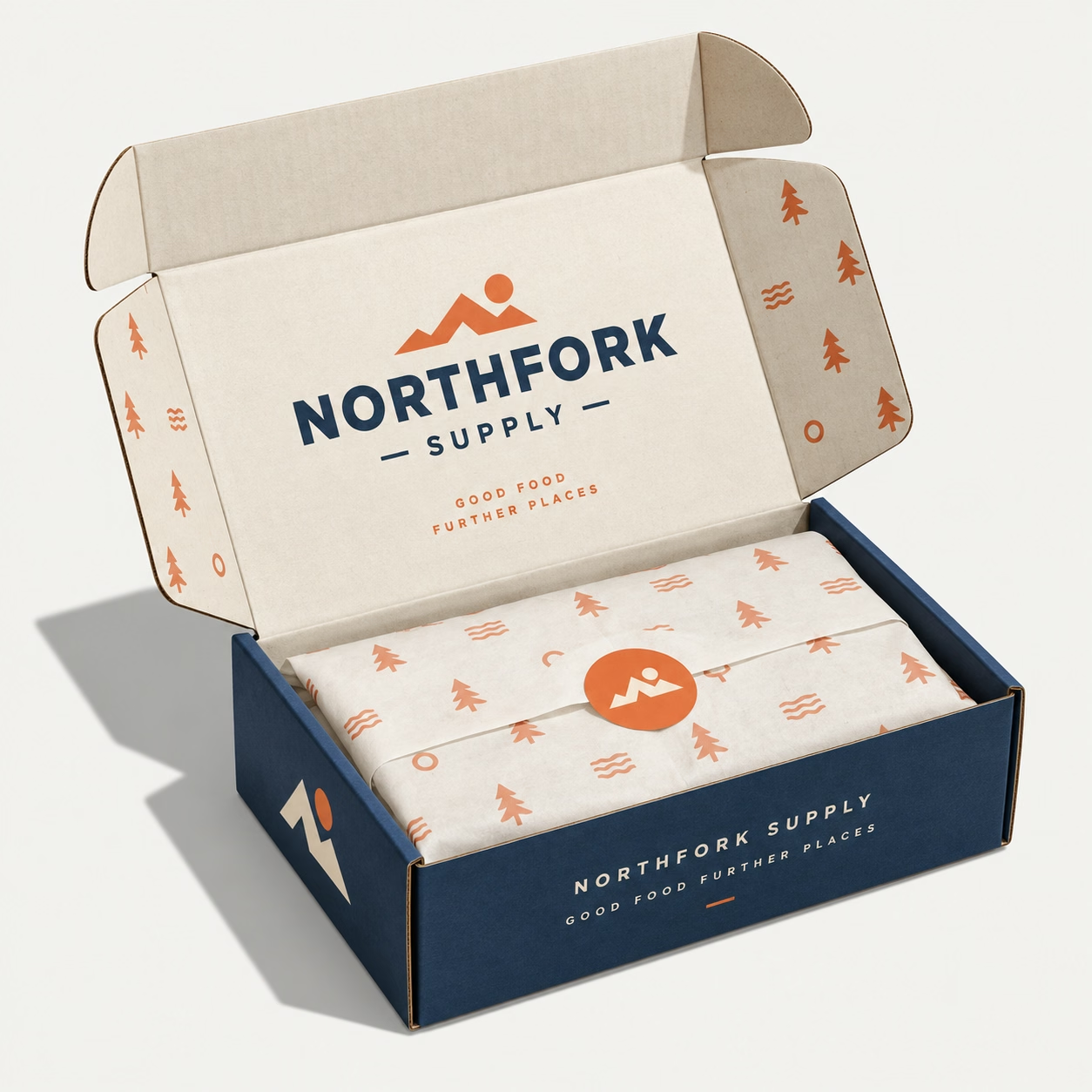
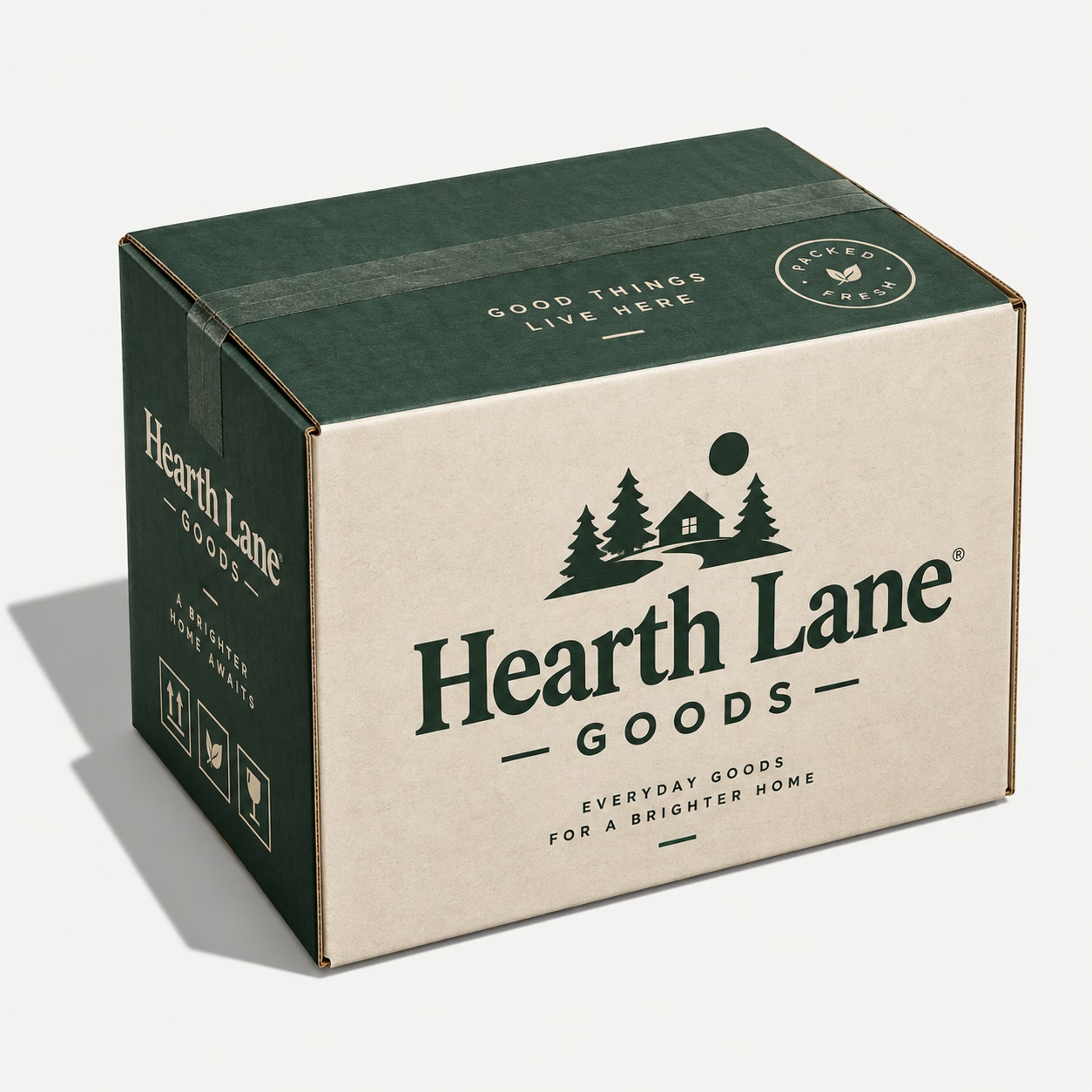
Build a subscription packaging system around the range of contents, repeatable assembly and the dispatch calendar. Keep stable box branding separate from edition-specific information.
Subscription box packaging ideas work best as an edition system: a recognizable brand, a reviewed packing arrangement, and clearly controlled monthly information. Separate what stays from what changes. A new product mix can require another box size, support layout, or assembly sequence even when the outside artwork stays familiar.
Use the examples below to develop the next edition, then use the existing product selection and planning resources on this page to turn it into a project brief.
Define the range of possible monthly contents
Start with the editions you actually expect to ship. Record each item’s primary pack, dimensions, orientation, and weight. Include a small arrangement and an awkward arrangement alongside the largest one. There is more to review than whether the lid closes.
Sketch editions before committing to one structure
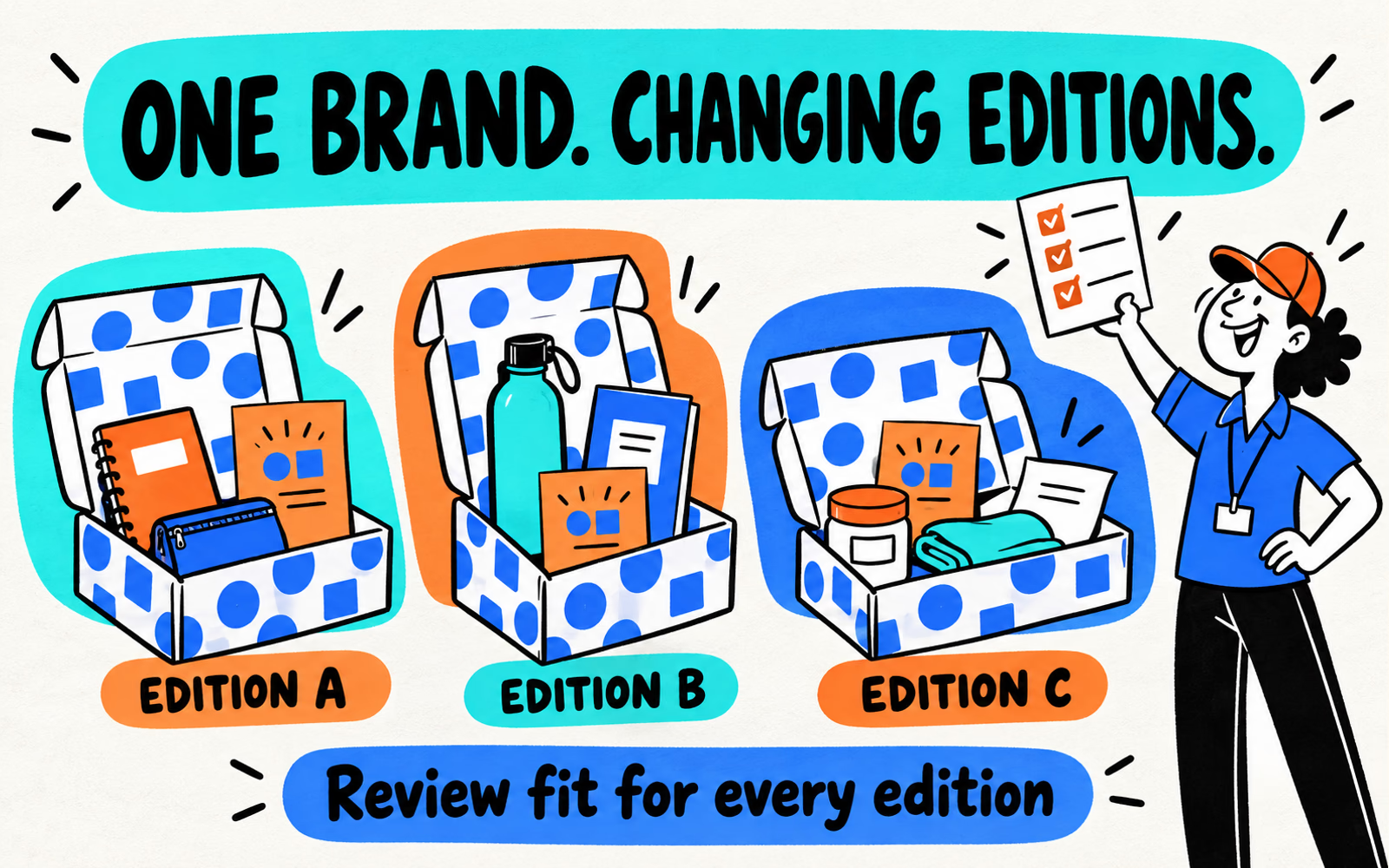
Consider a fictional desk collection. Edition A contains a notebook and small pouch; edition B adds a taller bottle; edition C combines a jar and folded cloth. Shared graphic elements connect the collection, but those sketches do not show that one box or holding part suits all three.
For a detailed range worksheet, use subscription boxes with changing contents. Keep the actual reviewed range attached to the specification so a later addition is easy to identify.
Separate stable packaging from edition-specific pieces
Give each component a role before creating the design. The brand can remain recognizable through a shared symbol, type treatment, or panel layout. Monthly information belongs in a controlled edition version. Holding components remain a separate structural question.
| Component | What could stay shared | What needs review when contents change |
|---|---|---|
| Outer identity | Brand mark and graphic language | Actual structure and approved layout |
| Holding arrangement | A documented packing method | Contact points, item positions, and movement |
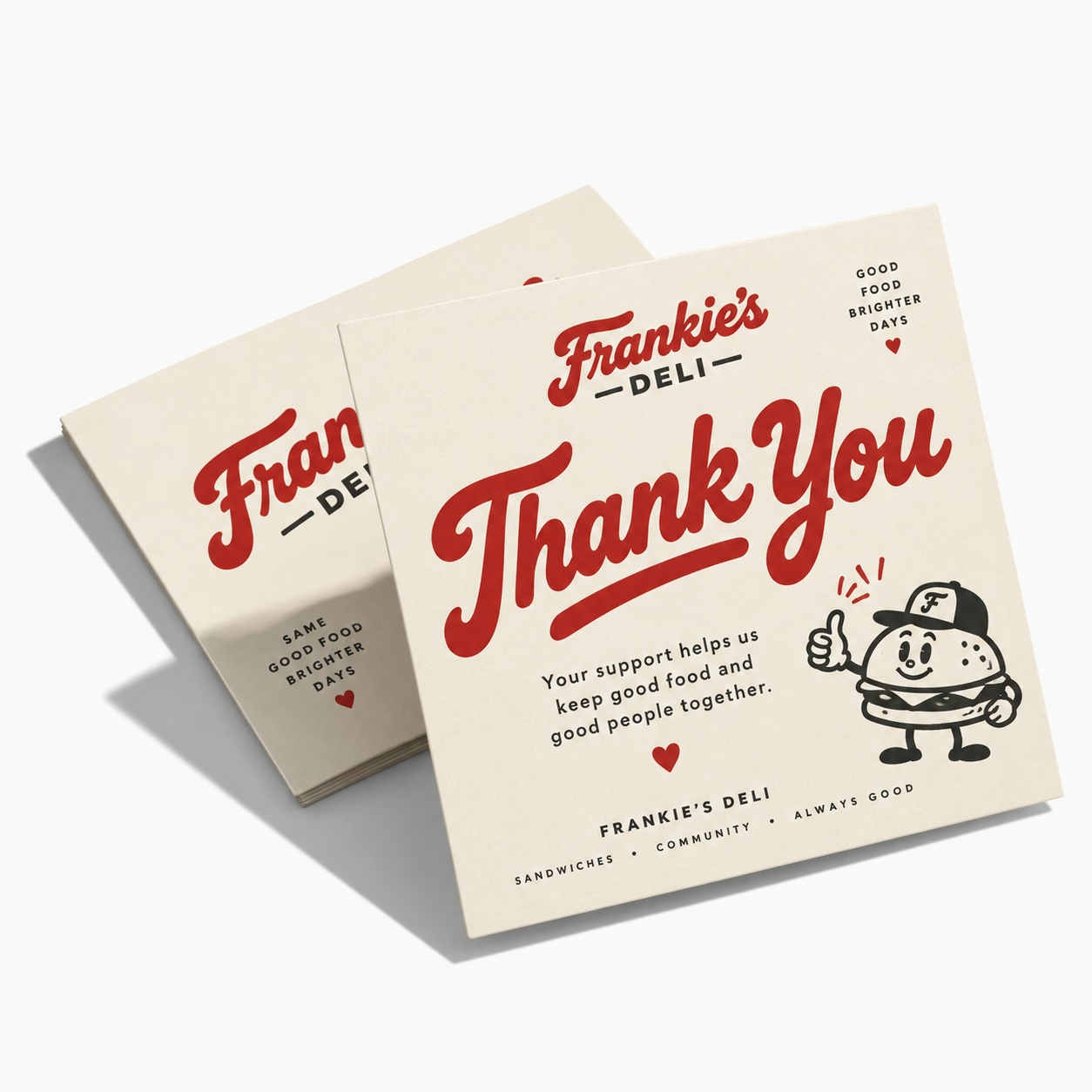
| Edition card | A recognizable heading treatment | Current contents, message, and destination |
| Closure | A defined assembly sequence | Clearance and completed closing |
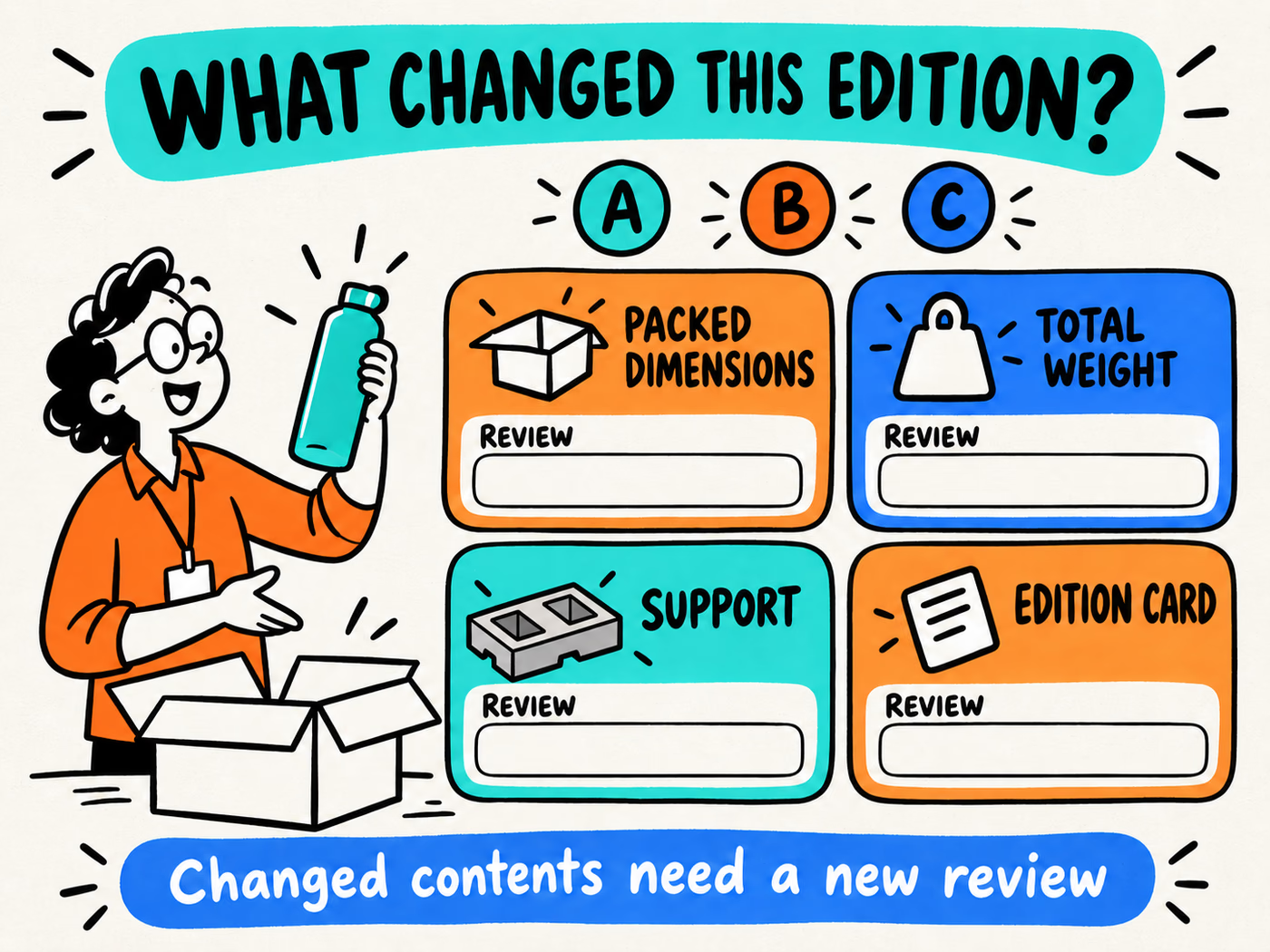
The word “shared” does not mean automatically compatible. Keep a simple change log: the component, its version, what changed, and who reviewed it. If the taller bottle alters the usable space, the unchanged blue mark does not resolve that issue.
Plan printed messages with the insert-card version guide. A message card carries information; it is distinct from a support that holds products.
Plan an adaptable opening sequence
Decide what the customer sees and handles first. A clear edition heading can introduce the collection, followed by the actual items and their useful information. The opening should not require moving several loose components just to understand what arrived.
Compare the complete opening, not a flat arrangement
Assemble the proposed pack and observe access to each item. Can the customer remove the card? Does removing one product disturb another? Is an instruction visible when it is needed? Record those observations for the specific edition rather than describing every possible box as easy to open.
Keep a visual cue for the packer too. A photograph of the approved arrangement and an edition code can connect the box, contents, and card at the station. Retire superseded instructions when the configuration changes.
Review shaped supports and loose fill separately. A decorative layer or attractive arrangement is not evidence of transport performance.
Prepare a specification and change-review checklist
Write one baseline brief with a row for every planned edition. Include usable box dimensions, packed weight, component references, artwork files, quantities, and the intended dispatch. Attach the proposed arrangement and list outstanding sample questions.
- Has an item or primary pack changed size, shape, weight, or orientation?
- Does the support still match the proposed contents?
- Are the card, printed destination, and packing instructions current?
- Can the arrangement be assembled, closed, and opened as intended?
- Which previous observations still apply, and what must be reviewed again?
Use the box measurement method for usable space and the dispatch-stock plan for quantities. Reserve assumptions, supplier pack constraints, and confirmed dates belong in separate fields.
Explore mailer boxes, shipping boxes, and printed insert cards for the project. Any structural support requires its own feasibility and sourcing review.
References & planning resources
BrandYourPack’s original planning examples and blank worksheets support project review; they are not completed trials or confirmed supplier terms.
Define the packed range rather than one attractive edition
List the actual items and their primary packs for the editions you expect to ship. Include the largest, smallest and awkward combinations, plus the total packed weight. Review the usable box space and assembly sequence for that range.
| System component | Decision |
|---|---|
| Outer box | Useful dimensions, structure and intended shipment |
| Holding arrangement | How each item is positioned and supported |
| Brand artwork | What stays across several editions |
| Insert card | What changes by month or edition |
| Closure | Exact assembly and sealing method |
| Stock plan | Dispatch count, usable stock and reserve assumption |
Keep presentation and transport review connected
A coordinated opening experience begins with a pack that can be assembled, closed and handled as intended. Review the exact contents and proposed construction rather than relying on a 3D illustration. Shipping protection needs evidence for the complete arrangement.
Explore mailer boxes and shipping boxes by their role. A mailer name alone does not prove the structure is sufficient for every product mix.
Separate structural inserts from printed cards
An insert card carries a message. A structural insert or divider holds or separates items and requires its own dimensions, material and sourcing review. Any proposed protective insert needs a separate sourcing and suitability review.
Use inserts vs loose fill for the holding decision and card versioning for edition-specific print.
Make the dispatch plan reference-specific
- Box size and quantity for each planned edition.
- Holding/closure components and sample questions.
- Card artwork and quantity per version.
- Usable stock, contingency and supplier pack constraints.
- Artwork approval, destination and confirmed delivery terms.
Use the dispatch-stock worksheet before placing a repeat order.
This is a planning method, not a report of completed sample tests. Keep approval tied to the exact proposed construction, artwork and intended use.
Build a coordinated setup
Selections to review for your project. Each reference and its conditions are confirmed in your quote.
A consistent box system
Review the approved structure across the planned edition range, with each holding component identified.
A new message each month
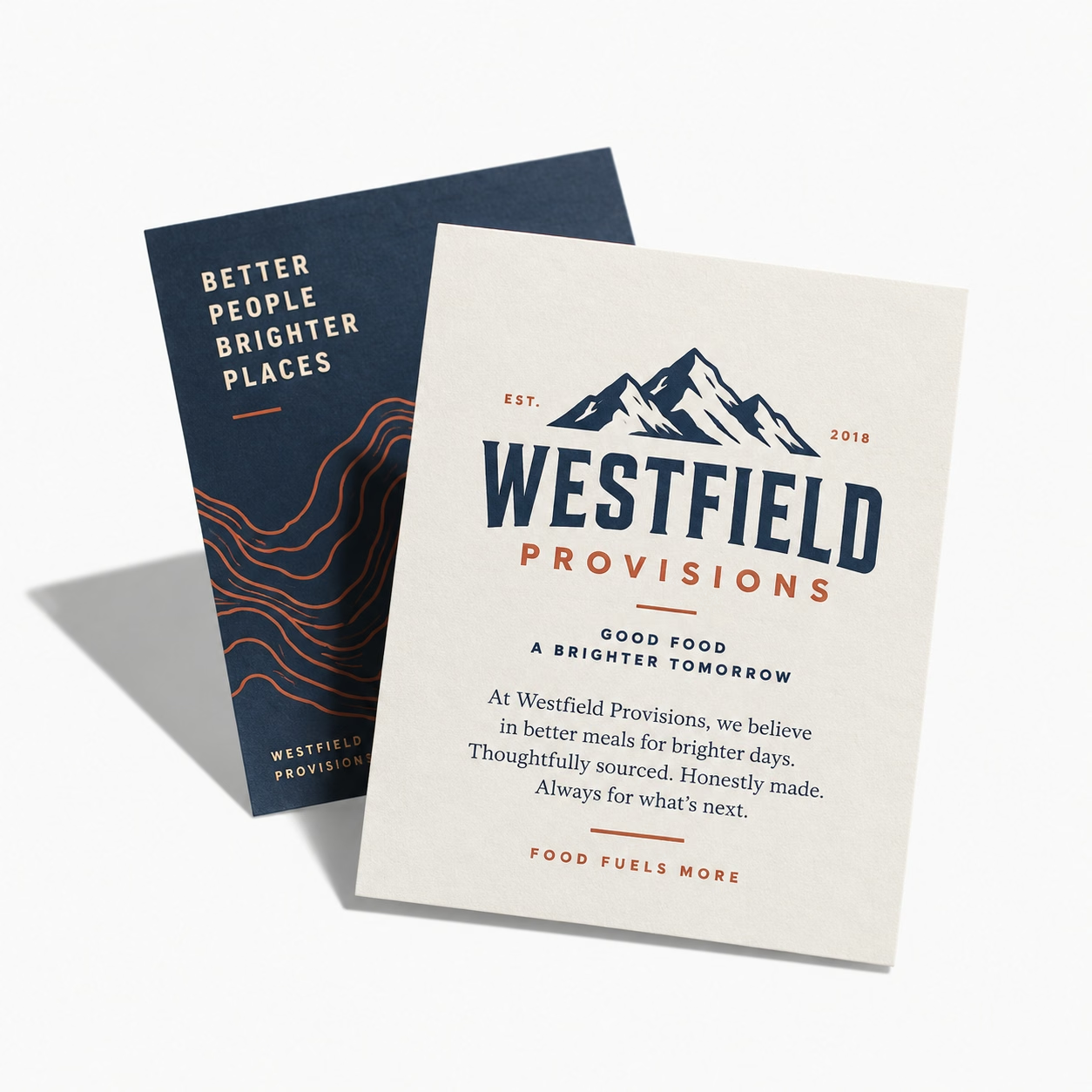
Keep stable box branding and use a correctly versioned insert or thank-you card for the edition.
One brand. Several planned editions.
Illustrative brief: a subscription brand records large and small editions against its proposed box. It reviews holding needs separately, keeps the box artwork stable and assigns card quantities to the correct dispatch version. Physical sample observations stay tied to each arrangement.
Use the quote checklistQuestions about this decision
Can one box work for every monthly edition?
Only after the intended range of packed contents is reviewed. Large and small editions can create different fit and holding problems.
Are insert cards protective inserts?
No. The linked insert cards are printed message cards. Structural holding inserts and dividers need a separate specification and sourcing confirmation.
Do you have tested shipping protection for my contents?
This content does not publish a test result for your arrangement. Review the exact proposed construction, contents and intended shipment before making a protection claim.
Should the box artwork change each month?
That is a brand and workflow decision. Stable box artwork with edition-specific cards is one option to evaluate alongside fully versioned packs.
Ready to put your plan on paper?
Share the intended use, dimensions, quantities, artwork and delivery ZIP. We will review the specification for your project.