
Packaging Selection & Planning Guides
Practical packaging guides for coffee carts, bakeries and pizzerias. Review measurements, inventory, artwork and sample checks.
Start with the finished product or service. Use these worksheets and checks to prepare a useful specification.
Planning a Coffee Cart Opening Order
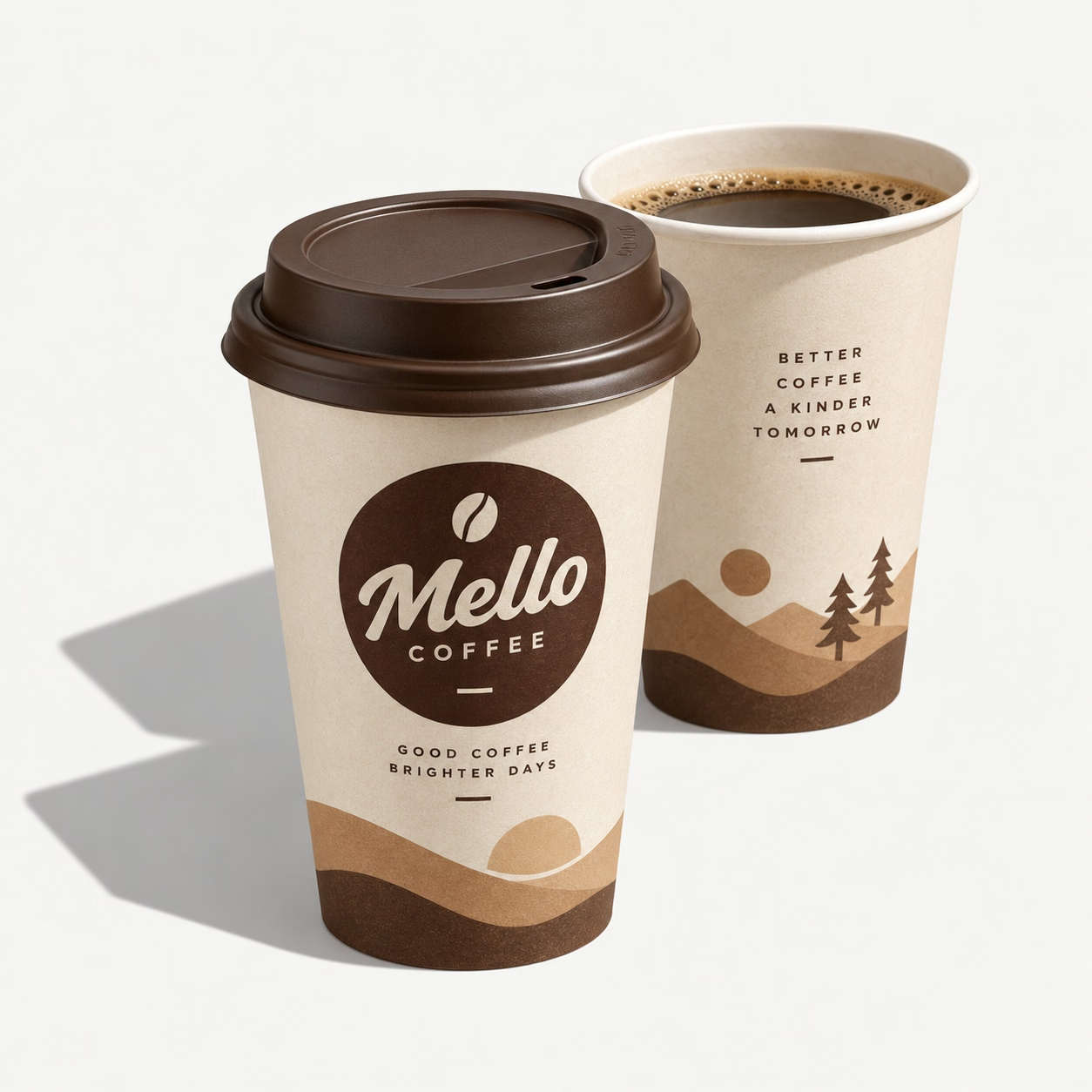
Build an opening order from service days, drinks per day and the expected mix of cup sizes. Calculate accessories independently, subtract usable stock, then round to confirmed supplier packs.
Explore resourceCup Inventory for a Coffee Cart
Plan coffee cart inventory in two layers: working stock on the cart and reserve stock off the cart. Use usable storage and actual pack dimensions alongside your service consumption.
Explore resourceSpecifying Cups and Lids for a Coffee Cart
Specify a cup-and-lid pair by the actual cup reference and rim fit. Nominal fluid capacity describes a size category; it does not establish that a lid or sleeve fits.
Explore resource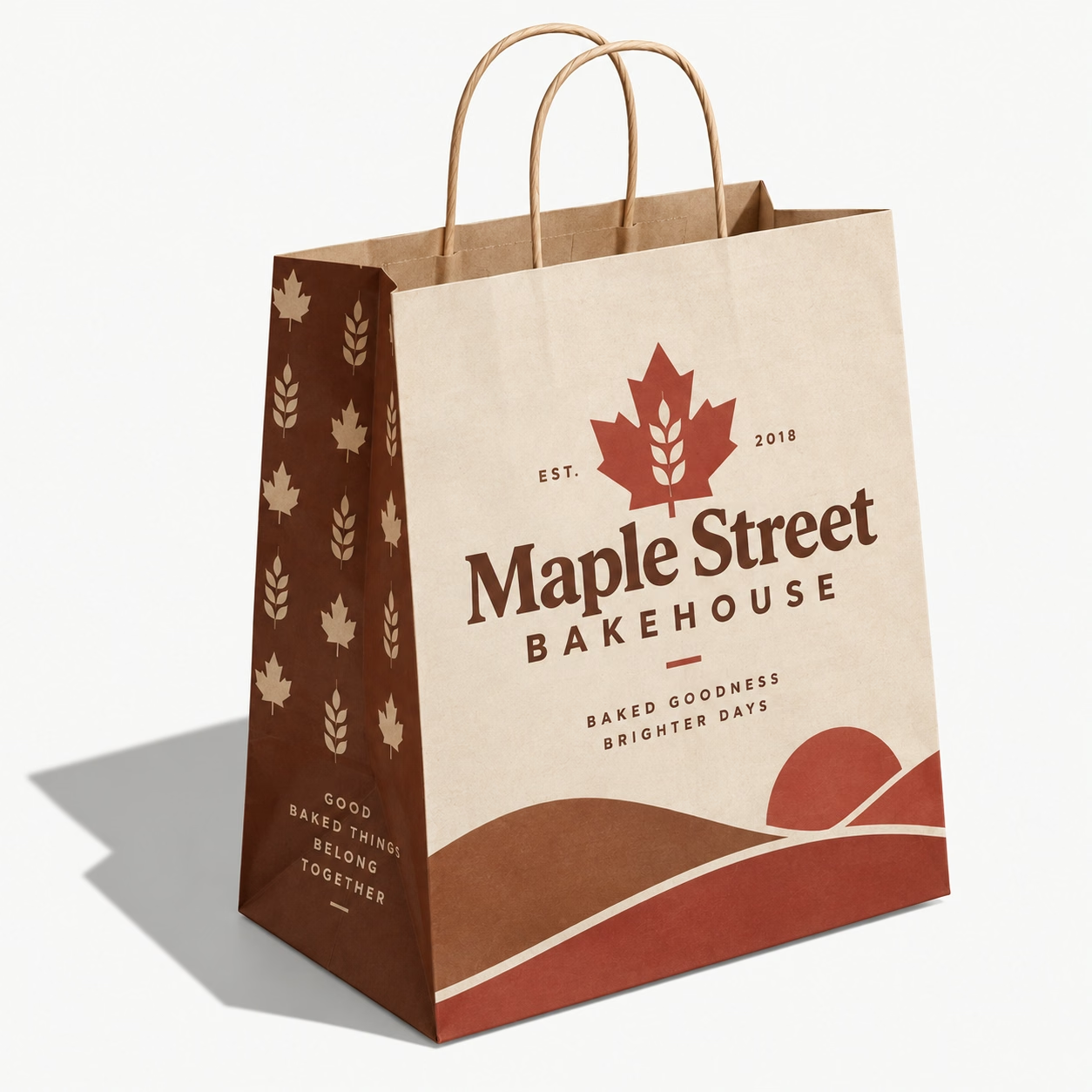
Measuring a Bag for a Sourdough Loaf
Measure a finished sourdough loaf in its intended packing condition, then test the bag opening, usable depth and closure with a sample. Width alone does not establish fit around a tall boule.
Explore resource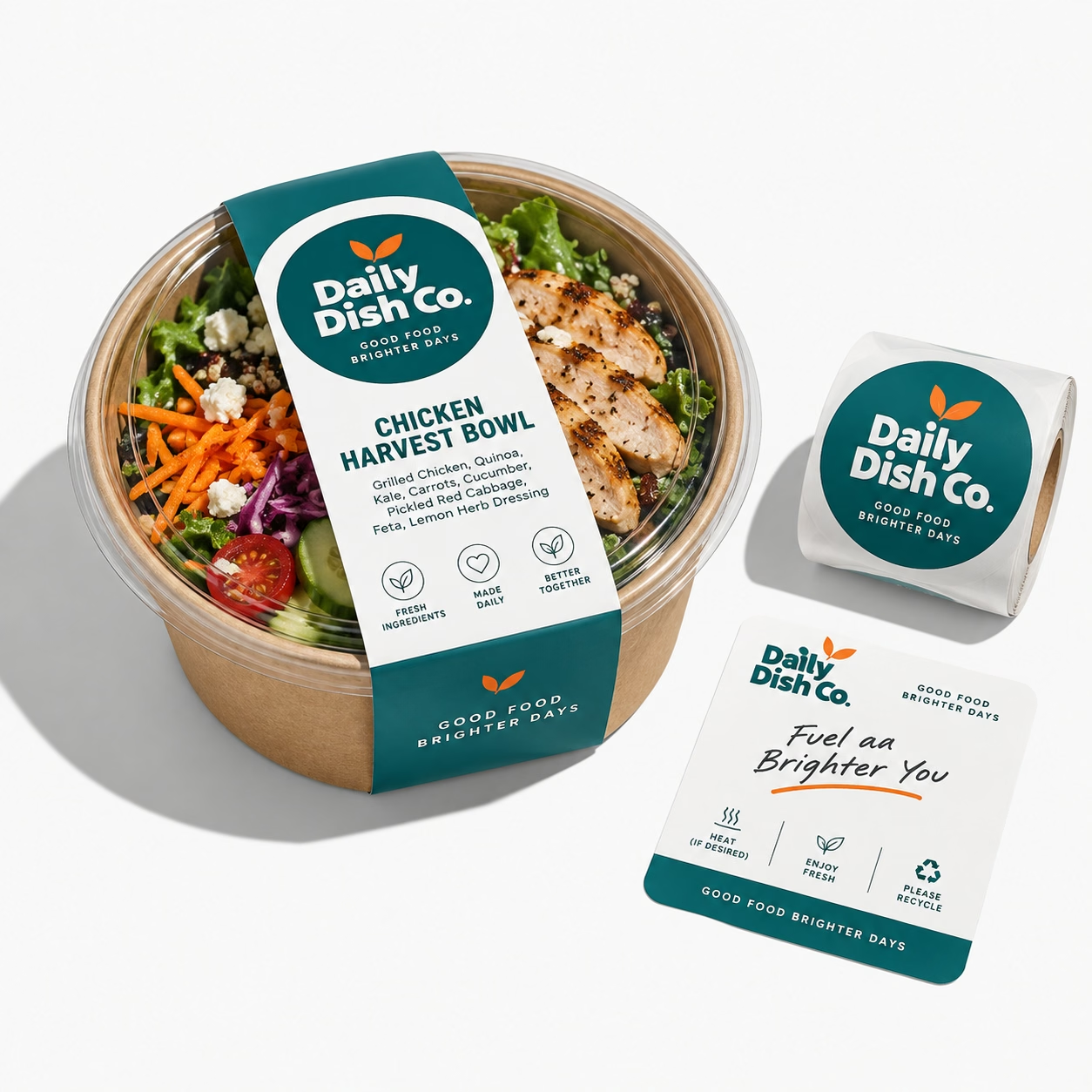
Bakery Packaging for Multiple Bread Varieties
Separate your fixed bakery branding from the information that changes by bread variety. A shared pack with controlled labels can simplify artwork, provided each label version and application is managed.
Explore resourcePackaging for Bakery Market and Pickup Orders
Design bakery pickup and market packaging around the completed order. A primary loaf pack, a display arrangement and a carrying bag perform different jobs and should be measured separately.
Explore resource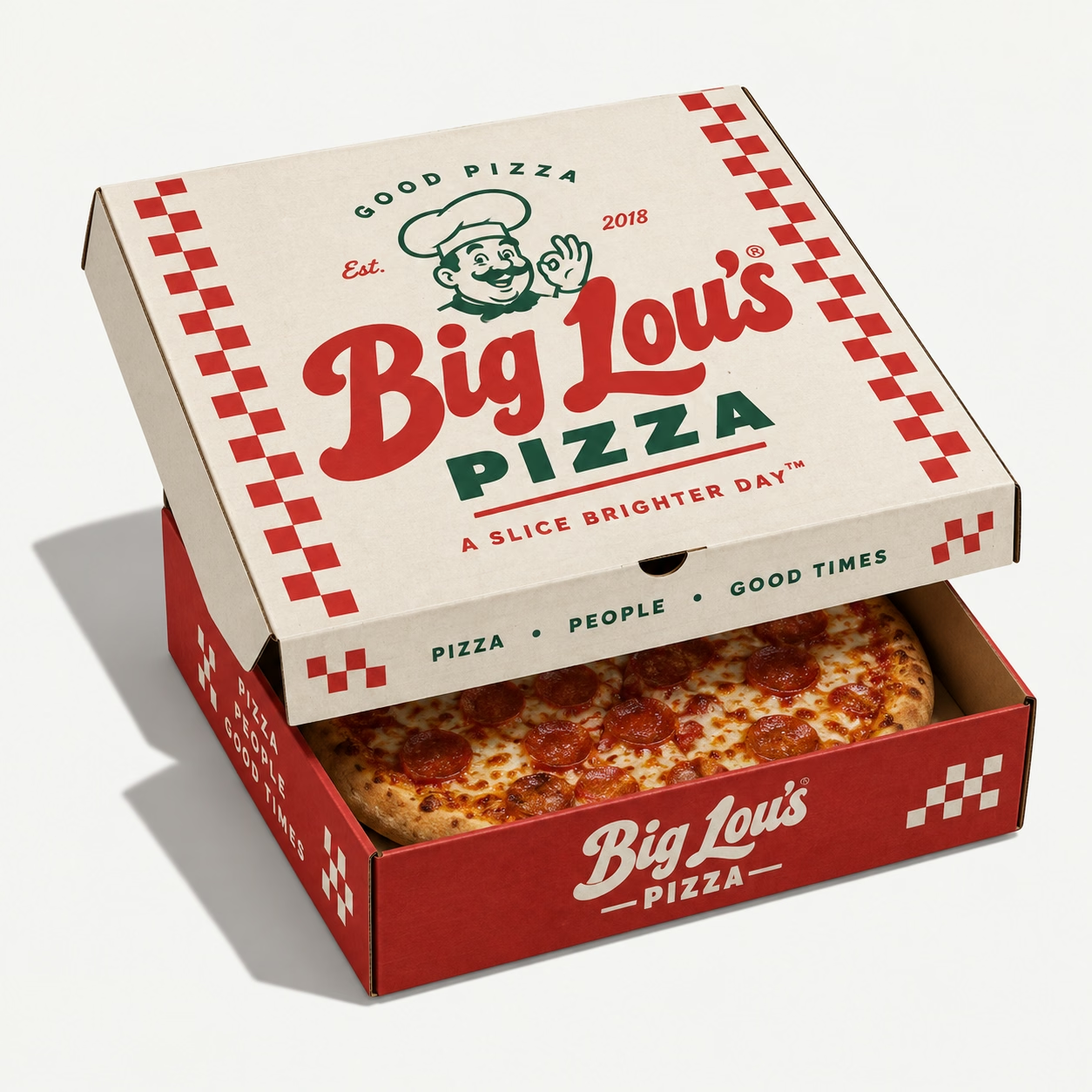
Pizza Box Inside Dimensions and Fit
A pizza-box fit specification starts with the largest finished pizza envelope and the usable closed interior. Request inside length, width and height explicitly, with units and the reference drawing.
Explore resourcePlanning Pizza Box Quantities by Size
Plan pizza-box purchases from pizzas sold in each size, then account for usable stock, losses and confirmed pack quantities. Keep separate artwork runs visible even when they share a structure.
Explore resourcePlanning a Pizza Delivery Packaging Test
Run a pizza delivery packaging test with the proposed reference, finished food and the real order arrangement. Document conditions and results separately for fit, closure, handling and customer presentation.
Explore resource
Measuring Paper for Sandwich Wraps
Measure a sandwich as served, then use a trial fold to find the paper needed for coverage and closure. Filled height and your folding method matter as much as length.
Explore resourcePackaging for Food Truck Combo Orders
Treat a combo as several packed components plus one carrying arrangement. Check the complete meal, side and drink together before choosing the bag and counting supplies.
Explore resource
Food Truck Packaging for Event Service
Build a one-event stock plan from expected menu sales and actual units used per order. Deduct usable stock, state contingency separately and round each reference to its purchasing constraints.
Explore resourceMeasuring a Meal Prep Container for a Sleeve
Measure the container with its lid fitted, then record the sleeve path, taper, flange and opening method. Use those observations to request a final structural drawing.
Explore resourcePackaging Artwork for Changing Meal Prep Menus
Treat each menu label as a controlled version. Keep stable branding separate from changing dish information, and link quantities to the exact artwork staff will apply.
Explore resourceTesting Labels for Meal Prep Containers
Test the proposed label on the exact meal prep container through your real application and handoff sequence. Record adhesion, appearance and readability separately.
Explore resource
Boba Cup and Sealing Specification
A boba sealing specification connects the exact cup, rim, film and machine. Record all four before assuming compatibility or preparing a printed cup order.
Explore resourceBranding Iced Matcha Cups
Brand an iced matcha cup using either a specified print reference or a label reviewed for the actual surface and application workflow. Condensation is a condition to document, not a guaranteed label rating.
Explore resourcePlanning Fill Space in Boba Cups
Choose a boba cup from the completed recipe and closure space, not liquid volume alone. Ice and toppings are part of the actual filled arrangement to review.
Explore resource
Planning Ice Cream Cup Portions
Choose an ice cream container from your actual scooping method and finished portion. Toppings, eating access and any lid use all affect usable space.
Explore resourceAcai Bowl and Lid Clearance
Lid clearance is a relationship between the exact bowl, closure and finished toppings. Check that complete arrangement instead of specifying a universal gap.
Explore resourcePacking Frozen Desserts for Takeout
A dessert takeout order combines approved primary containers with a separate carrying arrangement. Review closure, load and the actual journey together.
Explore resource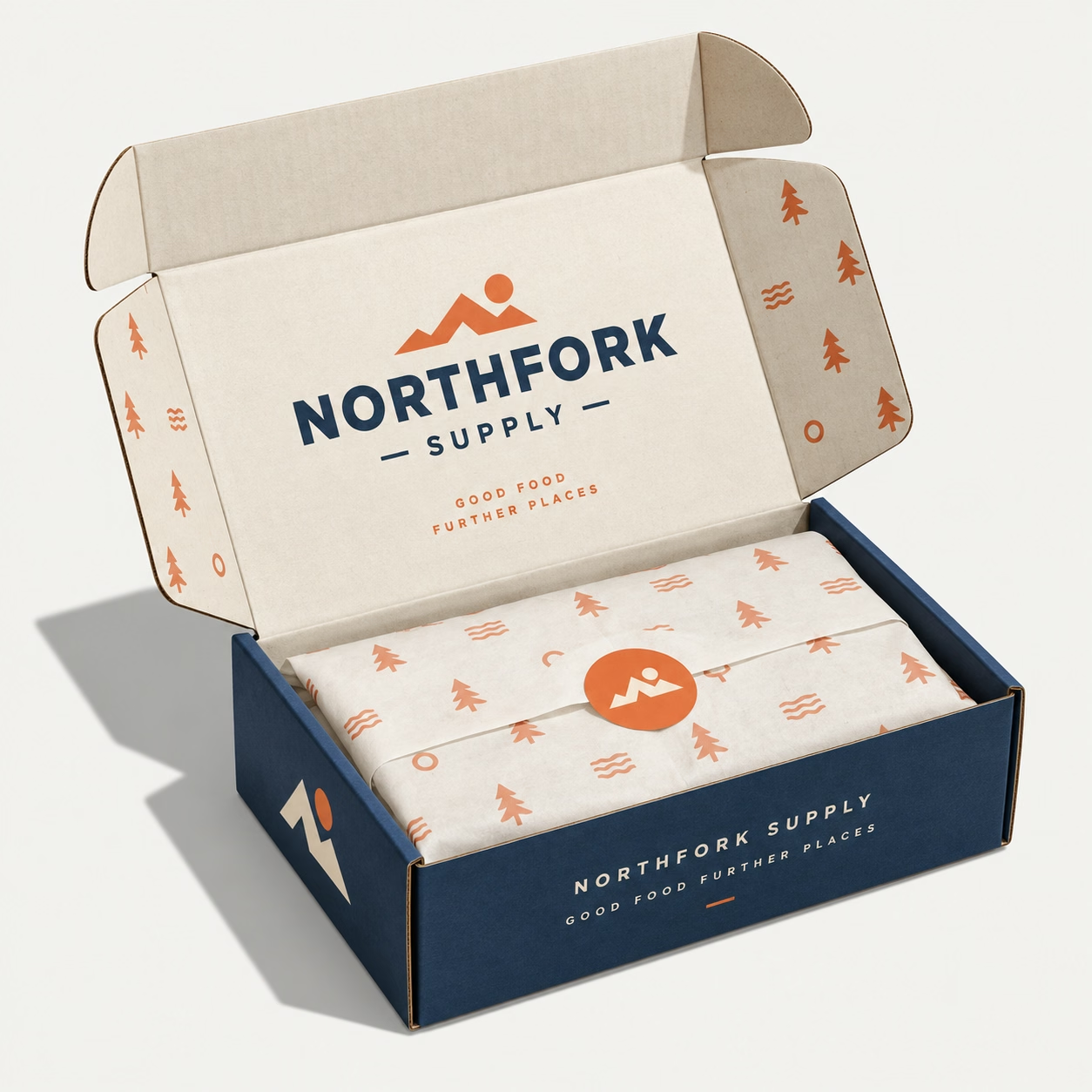
Subscription Boxes with Changing Contents
Size a subscription box for a defined range of packed editions. Check the large arrangement, the small arrangement and the holding method rather than assuming the largest item solves everything.
Explore resource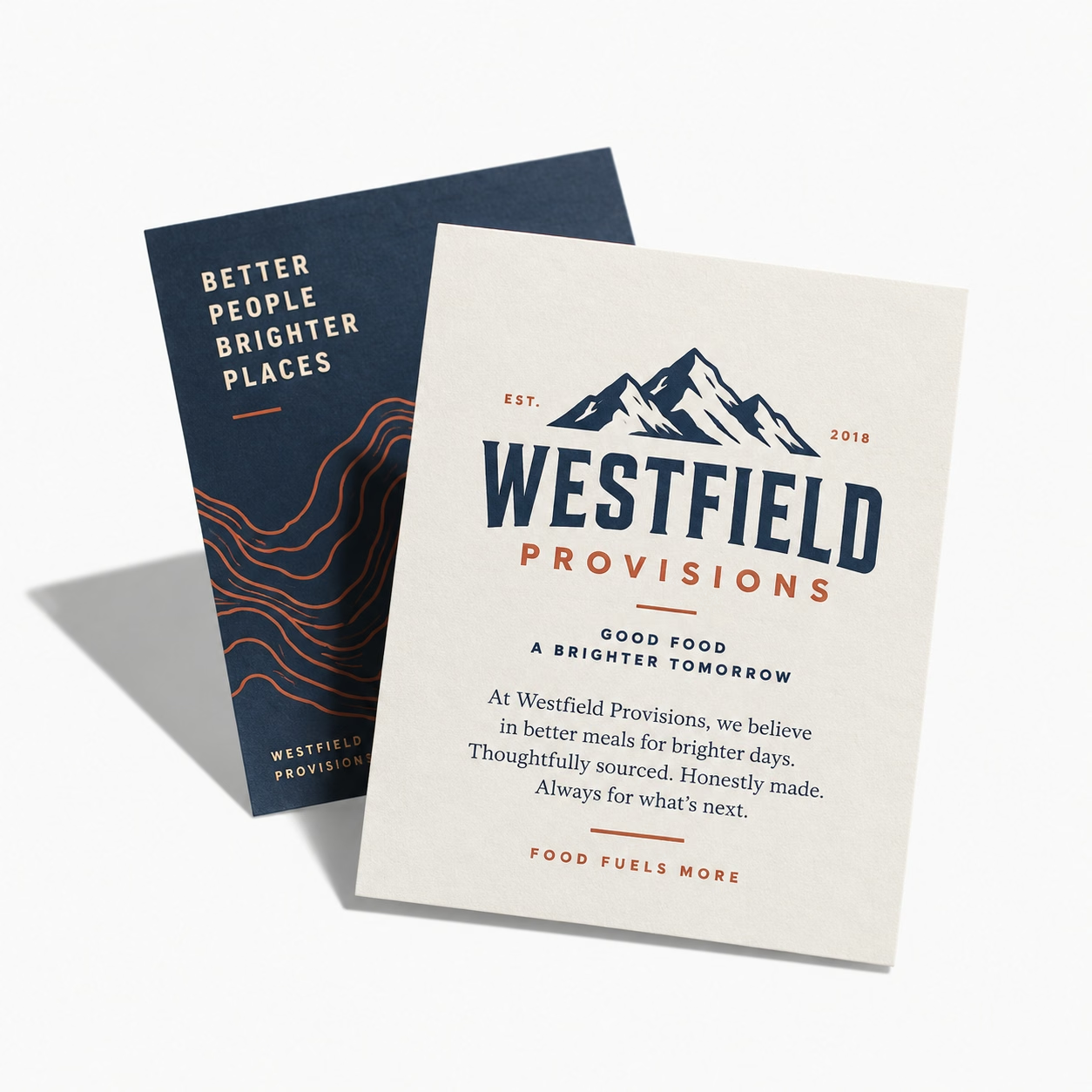
Versioning Subscription Insert Cards
Keep monthly subscription messages in a controlled card version while stable box branding remains consistent. Match each printed card run to its intended dispatch edition.
Explore resourcePlanning Stock for Subscription Dispatches
Plan each subscription dispatch by reference and artwork version. Separate expected shipments, contingency, usable stock and supplier purchasing constraints before confirming dates.
Explore resource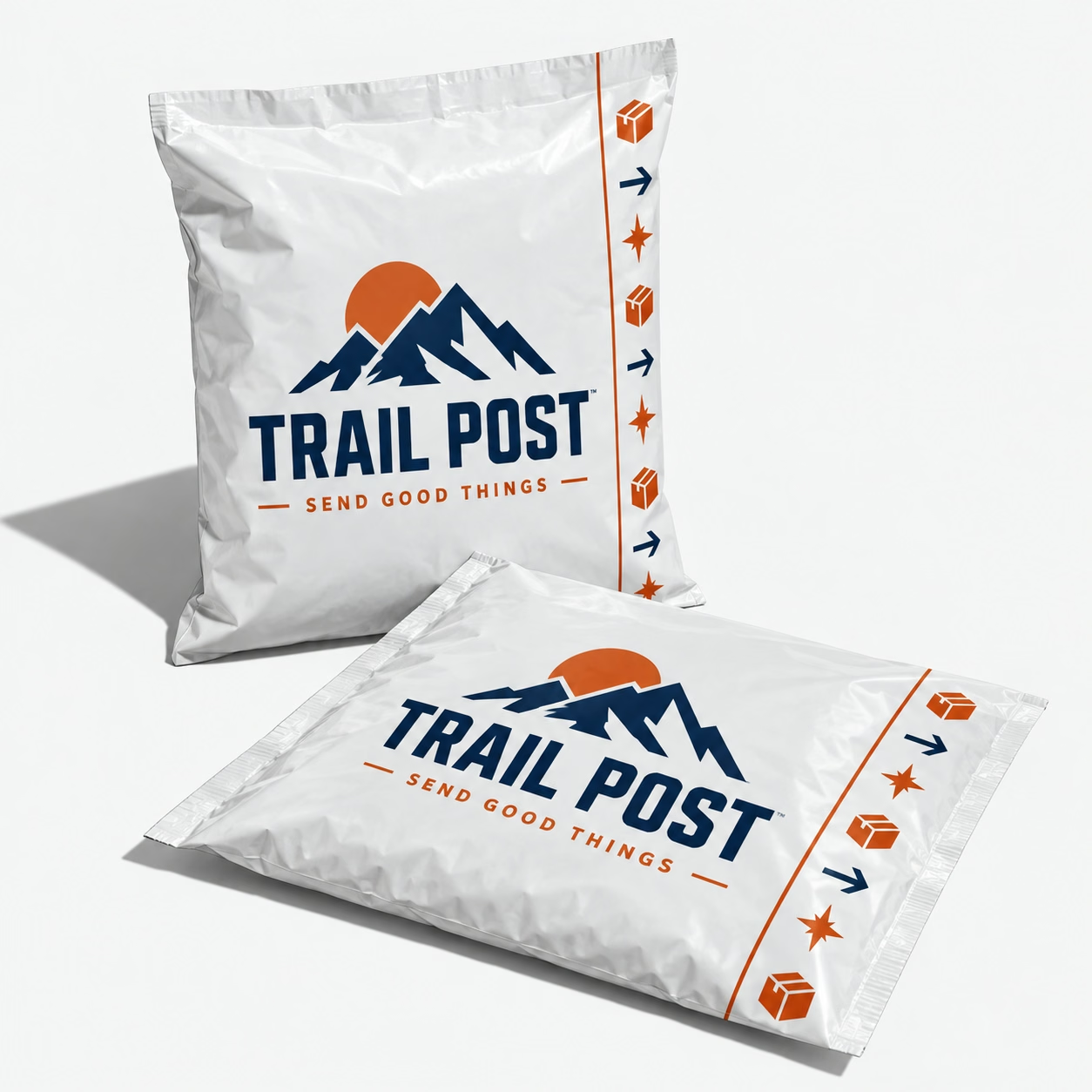
Measuring a Mailer for Folded Clothing
Measure the folded order with every presentation component in place. Useful mailer space depends on thickness, opening access and the exact closure construction.
Explore resourceSpecifying Packaging for Apparel Returns
Return-ready packaging combines a verified closure design with your actual customer process. Check opening, remaining useful space and reclosure on the proposed reference.
Explore resourcePackaging for Limited Apparel Drops
Separate a stable apparel packaging system from drop-specific print. Keep artwork allocation, order sizes and unused-version stock visible before selecting the production runs.
Explore resourceCustom Packaging Quote Checklist
Keep one specification row per reference and artwork run so quotes can be compared on the same dimensions, quantities and delivered scope.
Explore resourceCup Sizes and Lid Compatibility
Use a reference sheet to distinguish nominal capacity from the cup-and-lid interface. Document the complete sample, including its sleeve and intended serving conditions.
Explore resourcePaper Bag Sizes Gussets and Handles
Measure the complete packed order and keep a carrying bag’s usable dimensions separate from primary-product packaging. Fit and carrying performance need different checks.
Explore resource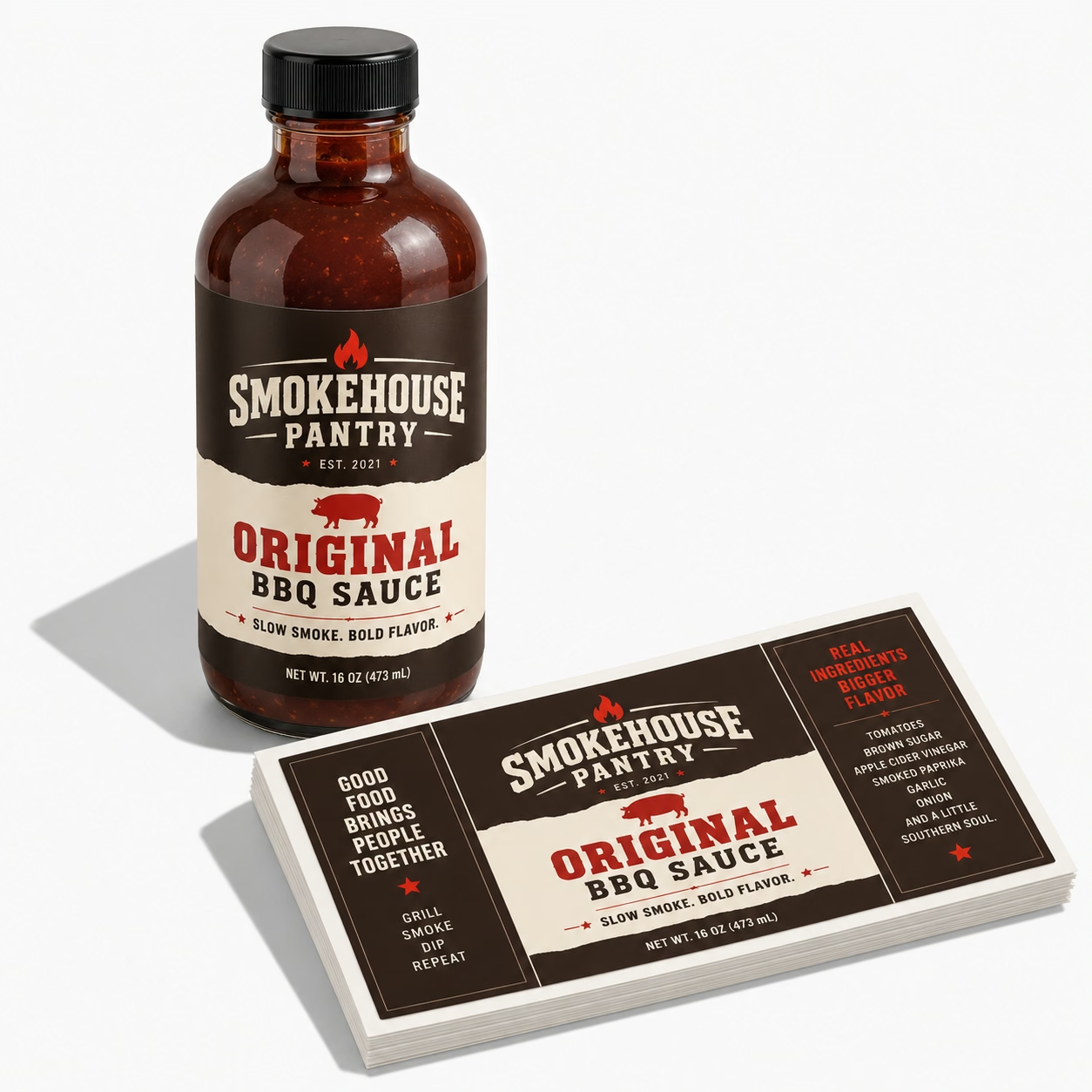
Label Surface and Application Checklist
Describe the actual surface before choosing a label. Material, curvature, texture and the application sequence form one reference-specific specification.
Explore resourcePackaging Sample Test Checklist
Keep every packaging trial tied to an exact sample and intended use. Record method, conditions, observations and limits so a later reorder can be reviewed on the same basis.
Explore resourceHow to Measure a Mailer Box
Specify the useful inside envelope of the complete packed order. Keep internal fit, external parcel dimensions and the final manufacturing layout as separate records.
Explore resourcePackaging Reorder and Artwork Checklist
A reorder repeats an approved specification only when the structure, artwork and intended use remain current. Check each reference and commercial term before treating it as the same order.
Explore resource